






Blog
Offshore Company Benefits: What You Gain and What You Must Do
Incorporating offshore provides strategic advantages, from tax efficiency to asset protection. However, modern compliance rules require proper planning and execution. see more...
Toll-Free Numbers from these locations. Click to Call for Free
 Austria
 Czech Republic
 Estonia
 Ireland
 Latvia
 Malta
Malta
 Poland
 Romania
 Slovakia
Austria VASP
Slovakia
Austria VASP
 Bulgaria VASP
 Cyprus VASP
Czech Republic VASP
Estonia VASP
Cyprus VASP
Czech Republic VASP
Estonia VASP
 France DASP
 Finland VASP
 Lithuania VASP
 Luxembourg VASP
Malta VASP
Poland VASP
Luxembourg VASP
Malta VASP
Poland VASP
 Portugal VASP
Slovakia VASP
Portugal VASP
Slovakia VASP
 Italy CASP
 Anjouan
 Anguilla
 Antigua & Barbuda
 Aruba
Aruba
 Bahamas
 Bahrain
 Barbados
 Belize
 British Virgin Islands
 Brunei
 Canada LP
 Cayman Islands
 Costa Rica
 Curacao
 Gibraltar
 Great Britain LLP
 Guernsey
Ireland LP
Guernsey
Ireland LP
 Isle of Man
 Jersey
 Labuan
 Marshall islands
 Mauritius
 Panama
 Saint Kitts & Nevis
 Saint Vincent and Grenadines
Scotland LP
Saint Vincent and Grenadines
Scotland LP
 Seychelles
 Vanuatu
Think of a gambling license as the foundation of your entire operation. Without it, banks, game developers, and regulators simply refuse to connect. Learn how iGaming rules actually work, how to choose a jurisdiction, and what it costs to get approved.
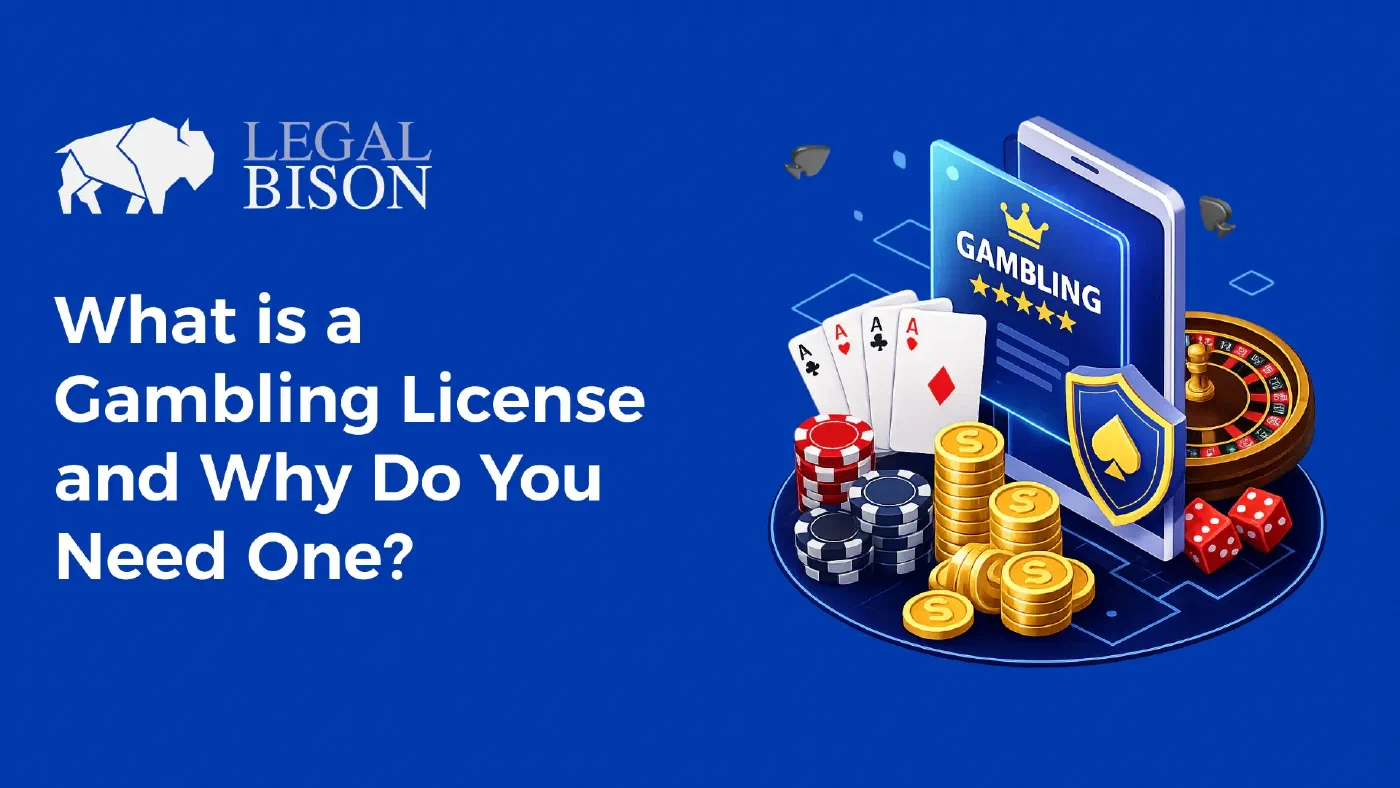
Think of the gambling license as the foundation of the entire operation. Payment providers, software vendors, and regulators all look for it first. Without that document in place, most of the business infrastructure simply refuses to connect.
The iGaming industry deals with intense government tracking. Authorities want taxes. They want to stop money laundering. You cannot skip these rules.
Entering this space takes serious cash, patience, and exact legal maneuvering. Many new casino founders underestimate the banking problem. Getting the license is hard, but getting a payment processor afterward can be even harder. Governments make the application process grueling on purpose to block shady operators before they even start.
Banks are extremely cautious with gambling businesses. In practice, many operators get rejected several times before finding a payment provider willing to process deposits.
The license holds this whole package together. It acts as your corporate passport. It proves to financial institutions that your business passed background checks and that you actually have enough cash saved to pay winning players. Without it? You simply cannot join the real economy.
Players do not just hand over their credit cards to random websites anymore. They look for that regulatory seal at the bottom of the page. It is entirely about trust.
If a dispute happens, players want to know a governing board has their back. To maintain that trust, regulators force operators to isolate player funds from operating capital. Your marketing budget and your players’ deposits cannot mix.
Picture this: a player hits a massive jackpot. That money has to be ready to move immediately. Messing around with segregated accounts is not just frowned upon. It is the fastest way to get a license suspended. Zero hesitation.
You cannot just plug in the most popular games and start taking bets. Top-tier developers guard their reputations fiercely. They have spent millions securing their own licenses in tough markets like the UK.
Supplying a black-market casino puts their entire business model at risk. Before they even consider signing a deal, their compliance teams will tear through your corporate structure.
No license? No games.
Betting laws change drastically depending on where you look. There is no global rulebook. Some countries ban it completely, while others set up open markets watched by strict government boards.
Because there is no single set of rules, operators must pick their headquarters carefully. The country you pick decides the taxes you pay and the markets you can legally reach.
Local setups only let you accept players living inside that specific state. Consider New Jersey. These setups cost a lot to get, carry high tax rates, and come with strict marketing limits.
International setups give you a wider reach. Places like Curacao and Anjouan issue approvals that let operators accept players from many different regions, assuming you respect the players’ local laws. Many new companies start here. Why? To test their idea before spending money on expensive local licenses.
Forget about renting a cheap P.O. box in the Caribbean. Modern jurisdictions demand economic substance.
You need boots on the ground.
That usually means securing an actual commercial lease, hiring local directors, and maintaining your corporate ledgers right there in the host country. The exact requirements swing wildly depending on where you go. Europe demands heavy local payroll. Island nations might let you run a remote team, provided you keep a licensed local agent on retainer.
Casinos move staggering amounts of money in seconds. That makes them a magnet for financial crime. Regulators know this. Because of that, they mandate aggressive Know Your Customer (KYC) procedures.
There are no exceptions here. You have to verify the exact identity of every single depositor.
You will also need a Money Laundering Reporting Officer (MLRO) whose literal job is to take the legal fall if the platform screws up. Your software has to automatically screen names against global watchlists and flag suspicious activity straight to local financial crime units.
Nobody trusts a rigged game. Before you launch, independent labs have to rip apart your code. They test the random number generators to ensure the payouts actually match what you advertise. You will not get the green light to go live until these certificates are signed in ink.
Choosing your base is the most critical choice a founding team makes. Startups usually look for fast, low-cost options. Large enterprise operators aim for mature European markets.
Curacao acts as the traditional starting point. It offers a clear application process and supports crypto. The island recently moved to a direct licensing model, and operators still favor it for its low corporate tax rate.
Anjouan gives a very fast route to market. They issue a single license class that covers all types of betting. This cuts down paperwork immensely.
Malta stands as the main framework for operators targeting European players. Getting approval is hard. It often takes six months or more. You must hold a minimum share capital, often topping 100,000 USD, to prove financial strength.
The Isle of Man offers a top-tier legal setup. The application is tough, but the resulting license secures access to the best international banking.
Getting government approval is a long legal process. A single missing paper delays the whole process by months.
The first application fee is usually a small expense. It is a drop in the bucket compared to the rest.
The ongoing running costs are what actually set the price of running the business. These include:
Taxes heavily sway where companies choose to set up. Some countries charge a flat annual fee, no matter how much money the casino makes. Others charge a cut of Gross Gaming Revenue (GGR). High-volume sportsbooks generally look for spots with flat fees or very low GGR tax rates.
Running an unlicensed casino is a crime.
Governments actively hunt down and block illegal betting networks. They do not just send angry letters to illegal operators anymore. They actively sabotage them.
National regulators keep active blacklists. Internet Service Providers must legally block access to those websites. Players simply cannot load the page, making all marketing useless.
The financial hit happens fast. When a government spots an illegal operation, it alerts global banking networks. Banks freeze any accounts tied to the unlicensed business. The founders suddenly face international arrest warrants for money laundering.
The paperwork does not stop once you are approved. Regulators love surprise audits.
They will demand sudden access to your transaction logs just to see if you are actually enforcing your own KYC rules. Slip up and let a VIP deposit a massive sum without a background check? Expect a crippling fine. You must submit audited financial reports every year. Failing to report these details breaks your licensing deal entirely.
Yes. Running a casino using only cryptocurrency does not remove the need for government oversight. Unlicensed crypto platforms face immediate website blocks. Real game developers and crypto exchanges refuse to work with unregulated sites.
The total cost includes much more than the application fee. Governments require you to hold minimum cash reserves to prove you can pay winners. You must also hold enough cash to cover ongoing monthly costs, local director pay, and required software tests.
No single rulebook gives access to the entire world. International licenses from Curacao or Anjouan give broad reach, but you must still follow the local laws of the player’s country. Top European licenses allow access across multiple EU states but require a much heavier local office setup.
The timeline depends on the country. New frameworks process applications in four to eight weeks, while top European regulators take six to twelve months to run deep background checks.
For guidance on structuring a compliant gaming operation, navigating the application process, and selecting the right jurisdiction, visit LegalBison.
Incorporating offshore provides strategic advantages, from tax efficiency to asset protection. However, modern compliance rules require proper planning and execution. see more...
This guide breaks down Anti-Money Laundering (AML) compliance for crypto, FinTech, and digital asset founders; covering core regulations, key global authorities, the five essential compliance pillars, and practical strategies to meet jurisdictional standards. see more...
Moving a real-world asset onto a blockchain requires a solid legal and regulatory foundation before any technical work begins. Legal classification, entity setup, regulatory filings, and compliance infrastructure must all be established before the first token is minted. see more...