







Crypto License
We Select the Top Meme Coins of 2026 Based on Licensing Compliance
Planning to launch a meme coin? Explore the legal structures, commodity classifications, and licensing compliance of today's top tokens. see more...
Toll-Free Numbers from these locations. Click to Call for Free
 Austria
 Czech Republic
 Estonia
 Ireland
 Latvia
 Malta
Malta
 Poland
 Romania
 Slovakia
Austria VASP
Slovakia
Austria VASP
 Bulgaria VASP
 Cyprus VASP
Czech Republic VASP
Estonia VASP
Cyprus VASP
Czech Republic VASP
Estonia VASP
 France DASP
 Finland VASP
 Lithuania VASP
 Luxembourg VASP
Malta VASP
Poland VASP
Luxembourg VASP
Malta VASP
Poland VASP
 Portugal VASP
Slovakia VASP
Portugal VASP
Slovakia VASP
 Italy CASP
 Anjouan
 Anguilla
 Antigua & Barbuda
 Aruba
Aruba
 Bahamas
 Bahrain
 Barbados
 Belize
 British Virgin Islands
 Brunei
 Canada LP
 Cayman Islands
 Costa Rica
 Curacao
 Gibraltar
 Great Britain LLP
 Guernsey
Ireland LP
Guernsey
Ireland LP
 Isle of Man
 Jersey
 Labuan
 Marshall islands
 Mauritius
 Panama
 Saint Kitts & Nevis
 Saint Vincent and Grenadines
Scotland LP
Saint Vincent and Grenadines
Scotland LP
 Seychelles
 Vanuatu
Planning to launch a meme coin? Explore the legal structures, commodity classifications, and licensing compliance of today's top tokens. see more...

Major exchanges kept their BVI and Cayman parents. Offshore token issuers file EU white papers without a single European entity. The regulation always allowed this. Most advisors just did not read it carefully enough. see more...
Crypto licensing frameworks in Europe, Dubai, and Singapore seem similar on the surface, but they serve different markets. Choosing the wrong setup can break your operational model. see more...
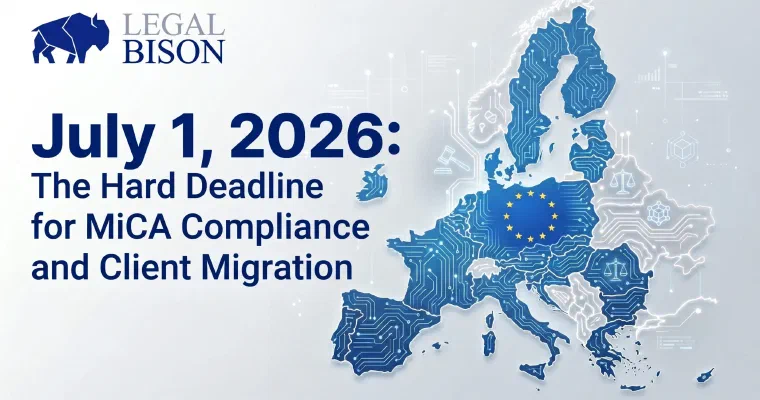
The Markets in Crypto-Assets (MiCA) transitional period officially ends on July 1, 2026, marking a definitive shift in the European regulatory environment. Following this date, any crypto-asset service provider (CASP) serving EU clients without a specific MiCA license will be in breach of EU law and must cease all operations within the Union. This hard stop applies across all Member States regardless of whether MiCA has been fully implemented at the national level. see more...

Margin trading serves as a critical operational foundation for modern fintech and crypto exchanges by allowing users to access borrowed capital for larger market positions. LegalBison assists founders in navigating the strict regulatory requirements and complex corporate architectures necessary to licensed these products across more than 50 jurisdictions. see more...
Selecting the ideal jurisdiction for a crypto derivatives exchange requires navigating a complex global landscape where standard licenses rarely permit leveraged products. LegalBison provides the specialized expertise and compliance architecture necessary to help founders launch regulated margin trading platforms across top-tier regions like the UAE and the EU. see more...

Most founders pursuing a MiCA license assume they are solving their EU regulatory problem. They are solving part of it. The rest depends on which services they actually offer. see more...
If you’re running a centralised crypto exchange and you’ve got Hong Kong retail users on your platform, you need a VASP license. Not a best-practice recommendation. A legal requirement, mandatory since June 2023, with criminal penalties for non-compliance: up to five years imprisonment and a HKD 5 million fine under the Anti-Money Laundering and Counter-Terrorist […] see more...
A crypto license that cannot produce a corporate bank account is operationally incomplete for any exchange handling fiat currency. The license is the regulatory authorization. Banking access is the infrastructure that makes the business function. These are related but not the same thing, and this distinction is one of the most consistently underestimated challenges in […] see more...

You have the entity. You have the address. You even have the capital. So why is the regulator still not satisfied? Because under MiCA, substance is an empirical test of whether your business genuinely operates from within the EU, and most applicants underestimate what that actually demands. see more...
Most crypto exchange licensing delays and failures trace back to the same origin: the application was submitted before the business model architecture was fully mapped. The regulatory documentation is not the hard part. The hard part is the analysis that has to happen before any document is prepared. Founders who understand this produce applications that […] see more...

The organizational chart with the right job titles will not get a CASP license approved. What the regulator is assessing is a compliance architecture: documented independence, collective expertise across three distinct knowledge domains, and real institutional substance. see more...
Regulators assess who actually wields operational control, not what a project calls itself. The fully decentralised exemption under MiCA is exceptionally narrow, and the substance-over-form test has material consequences for most DeFi teams building for European markets. see more...
The MiCA white paper serves as a mandatory legal disclosure instrument rather than a narrative marketing pitch. Its legal function is equivalent to a traditional finance securities prospectus. This study by LegalBison analyses the transition from narrative-driven crypto documentation to the mandatory legal disclosure instruments now required in the European Union. see more...
We studied extensively the Markets in Crypto-Assets (MiCA) interim registers held by the European Securities and Market Authority (ESMA). Data showed notable tendencies and a few surprising facts. see more...

Investors use leverage to manage large market positions with only a small amount of upfront capital to enhance their potential returns. This guide examines the development of these digital financial products and the specific regulatory hurdles platforms face when securing a formal operating license. see more...
The cryptocurrency industry in 2026 is no longer a frontier market. In this guide, LegalBison breaks down the most viable crypto business models gaining traction this year, and explains the legal and licensing foundations each one requires to operate compliantly across global markets. see more...

Ireland has emerged as a leading European hub for regulated digital asset activity, attracting major global exchanges alongside ambitious fintech founders. This guide examines the top crypto exchange platforms operating in Ireland, the regulatory framework that governs them, and the practical steps required to launch a compliant exchange in today’s MiCA-driven environment. see more...
Georgia has emerged as a serious contender in the global crypto licensing landscape, offering two distinct regulatory pathways tailored to different business models. This guide explains the key differences between the mainland VASP license supervised by the National Bank of Georgia and the Tbilisi Free Industrial Zone structure, helping founders determine which route aligns with their operational, regulatory, and tax priorities. see more...
Malaysia has established one of Southeast Asia’s most tightly regulated digital asset markets, where operating a crypto exchange requires formal approval and ongoing supervision. This guide outlines the complete list of exchanges registered with the Securities Commission Malaysia and explains the legal framework, compliance standards, and strategic considerations for launching or evaluating a regulated crypto platform in the country. see more...
Dubai has emerged as one of the most structured and strategically attractive jurisdictions for crypto businesses, but navigating its licensing framework requires clarity from the outset. This 2026 legal guide breaks down the types of crypto licenses available in the UAE, the regulatory routes under VARA and the DFSA, and the capital, compliance, and cost considerations founders must assess before launching. see more...

Costa Rica has emerged as a premier global destination for the online gaming industry due to its flexible regulatory framework and favorable territorial tax system. Entrepreneurs frequently choose this jurisdiction to launch innovative platforms quickly while benefiting from a supportive environment for both traditional betting and modern blockchain projects. see more...
Prediction markets have transformed from experimental tools into regulated financial engines that define the global landscape of 2026. Launching a successful platform requires a strategic approach to licensing to ensure compliance across various international jurisdictions. see more...
Tokenomics serves as the essential architectural blueprint for decentralized protocols by defining how value is created and distributed among participants. This guide explores the fundamental principles of crypto economics alongside the legal frameworks necessary to ensure long term project sustainability. see more...

The integration of blockchain technology into the esports sector represents a fundamental shift toward digital asset ownership and transparent monetization models. While these innovations offer significant growth opportunities for developers and players, they also introduce complex regulatory requirements that necessitate careful corporate structuring. see more...

An Electronic Money Institution license provides the legal framework necessary for fintech companies to issue digital currency and facilitate complex payment transactions across borders. This guide details the fundamental distinctions between licensing tiers and the procedural steps required to establish a compliant and scalable financial entity. see more...

Smart contracts have evolved from experimental concepts into the primary infrastructure driving the global digital finance ecosystem. This guide explores how fintech organizations can navigate the complex intersection of automated blockchain code and traditional legal requirements to ensure regulatory success. see more...
Decentralized applications represent a shift from centralized corporate servers to peer-to-peer blockchain networks that prioritize user autonomy and system resilience. This guide explores the technical architecture of these platforms and the essential legal structures required to maintain global compliance in the 2026 regulatory environment. see more...
The transition from traditional centralized finance to decentralized blockchain networks hinges on the fundamental concept of consensus mechanisms. For any enterprise entering the Web3 space, choosing between the energy-intensive security of Proof of Work and the capital-efficient scalability of Proof of Stake is a critical business decision that defines its legal and operational future. see more...
The cryptocurrency market has evolved into a sophisticated financial ecosystem dominated by Bitcoin and Ethereum, which together represent the vast majority of digital asset market capitalization. While both projects utilize decentralized ledgers, their fundamentally different technical architectures result in distinct legal classifications and regulatory requirements for entrepreneurs. see more...
The European regulatory environment for digital assets is currently undergoing a massive transformation that demands the immediate attention of all industry participants. Recent guidance from the European Banking Authority clarifies the strict compliance crossover between MiCA and PSD2 regulations as the critical March 2026 transition deadline approaches. see more...
The European regulatory landscape for digital assets is currently undergoing a massive structural transformation that demands immediate and precise action from all industry participants. As the March 2026 transition deadline approaches, crypto businesses must align their operations with traditional payment services regulations to ensure uninterrupted service and long-term compliance. see more...
The digital payments landscape in Europe is growing at an explosive rate and offers massive potential for fintech and crypto startups. Navigating the complex regulatory requirements of the Second Payment Services Directive is the essential first step for any business aiming to operate securely within this lucrative market. see more...
The Cayman Islands offers a premier offshore environment where foreign entrepreneurs can establish and manage a regulated crypto business entirely from abroad. This guide explores how the updated legal framework for 2026 provides tax neutrality and a structured path for virtual asset service providers to operate globally. see more...

The Cayman Islands has established itself as a premier global hub for digital asset innovation by combining tax neutrality with a highly sophisticated regulatory framework. This article explores the essential steps for setting up a crypto business in the jurisdiction, from choosing the right corporate structure to navigating the latest licensing requirements. see more...
Choosing between the Cayman Islands and the British Virgin Islands is a pivotal decision that defines a crypto venture’s regulatory standing and operational agility. This article explores the core differences between these two premier jurisdictions to help you determine which offshore hub best aligns with your project’s institutional goals and budget. see more...

The Cayman Islands has established itself as a premier global destination for digital asset innovation by offering a sophisticated and predictable regulatory environment. This article explores the core advantages of the jurisdiction, from its tax-neutral status to the specialized legal structures tailored for the Web3 era. see more...
Estonia has established itself as a premier destination for crypto businesses by transitioning its robust digital infrastructure to meet the rigorous standards of the new European MiCA regulation. LegalBison explains how obtaining an Estonian CASP license provides companies with a strategic launchpad to access the entire European market while benefiting from a highly competitive tax environment. see more...

In 2026, the migration of digital asset ventures to offshore hubs has evolved from a quest for secrecy into a strategic pursuit of specialized, high-growth regulatory environments. This guide analyzes the top seven jurisdictions for crypto innovation and outlines how LegalBison provides the “legal engineering” necessary to build your project on a globally compliant foundation. see more...

As global regulators tighten their grip on digital assets, forward-thinking entrepreneurs are shifting their focus from “onshore” constraints to the strategic advantages of regulated offshore hubs. This article explores how navigating these specialized jurisdictions, from the UAE to the Caribbean can provide your crypto business with the essential balance of legal clarity, fiscal efficiency, and operational agility required to scale in 2026. see more...

The evolution of online gambling is increasingly defined by a decisive move away from legacy banking toward the streamlined efficiency of blockchain-integrated platforms. By pairing the transparency of decentralized technology with the strategic benefits of offshore licensing, operators are establishing a new gold standard for global gaming that prioritizes speed, privacy, and operational freedom. see more...
Estonia has long been the primary gateway for digital asset innovation within the European Union. Its reputation as a digital first nation is built on decades of infrastructure development and a transparent relationship between the state and entrepreneurs. For high level Web3 projects specializing in DeFi, security, and payments, the jurisdiction offers a unique proof of concept for regulatory success. see more...
The European crypto landscape is undergoing a massive transformation under the Markets in Crypto-Assets (MiCA) regulation. For many founders, Estonia has long been the primary destination for establishing a digital asset business. The reputation of the country is built on its innovative e-Residency program and a unique corporate tax system. see more...
Mauritius has established itself as a leading destination for financial innovation within the African continent and the global stage. The jurisdiction offers a sophisticated regulatory framework that provides clarity for digital asset businesses. This environment allows entrepreneurs to build sustainable ventures while benefiting from a favorable tax regime. see more...
The era of “flying under the radar” in the European Union has effectively ended as integrated databases and stringent new frameworks like MiCA make informal operations a high-stakes gamble. For entrepreneurs, understanding the shift from minor administrative hurdles to aggressive global turnover penalties and personal liability is now the only way to ensure business longevity. see more...
Choosing a regulatory home for a cryptocurrency business is a strategic decision that defines the future of a project. Entrepreneurs often find themselves comparing the innovative landscape of El Salvador with the established financial prestige of Mauritius. Each jurisdiction offers a unique set of advantages depending on the target market and the nature of the digital asset services provided. see more...

Navigating the transition to the new European regulatory framework for crypto-assets is a priority for every existing operator. The Markets in Crypto-Assets (MiCA) Regulation introduces a unified system that replaces diverse national regimes. This guide clarifies how to move from your current registration to full authorization as a Crypto-Asset Service Provider (CASP). see more...
Launching a digital asset platform in the world’s most active trading region requires more than just high-performance technology. To navigate the complexities of the Eastern markets, you must master local compliance, secure institutional-grade custody, and select a jurisdiction that aligns with your business model. This guide provides the essential roadmap for successfully establishing a compliant exchange while meeting the high standards of modern regulators. see more...

Asia is no longer just a participant in the digital asset space. It has become the primary engine of the global crypto economy. Current data indicates that the region holds over 60% of the world cryptocurrency users. see more...
The digital asset landscape has evolved from the dominance of centralised platforms into a sophisticated ecosystem where decentralised exchange volume recently surged to record peaks. For entrepreneurs and investors in 2026, navigating these models requires balancing the high-speed efficiency of traditional intermediaries with the non-custodial security of on-chain protocols. see more...
The landscape of blockchain capital formation has transitioned from early direct-to-investor offerings into a sophisticated ecosystem of exchange-mediated and decentralised fundraising models. In 2026, selecting the appropriate vehicle is a high-stakes strategic decision where a single misstep can lead to severe MiCA regulatory penalties or a fatal lack of market liquidity. see more...
As the July 2026 deadline for MiCA transition approaches, the legal boundary between regulated service providers and “fully decentralized” protocols has become the primary survival factor for crypto projects in the EU. This article explores the technical and legal benchmarks required to claim the Recital 22 exemption and navigate the rigorous new standards for CASP licensing. see more...
The “crypto wild west” has officially been replaced by a map of sophisticated, high-stakes borders. As 2026 unfolds, founders must decide between the massive retail reach of the EU’s MiCA framework and the specialized, tech-first agility of Dubai’s VARA. This guide navigates the “hard stops” and strategic trade-offs of the modern regulatory landscape to help you plant your flag in the right territory. see more...
In the pre-regulation era of 2017, a mistake in a crypto white paper was often fixed with a quick website edit and a tweet. Those days are over. Under the full application of the Markets in Crypto-Assets Regulation (MiCA), your white paper is more than a marketing deck, it’s now a binding legal prospectus. see more...
The concept of passporting is the "holy grail" for crypto entrepreneurs looking to scale. In the 2026 regulatory landscape, understanding this mechanism is the difference between a fragmented, high-cost operation and a streamlined European powerhouse. see more...
For crypto entrepreneurs entering the European Union, the Markets in Crypto-Assets Regulation (MiCA) introduces a rigorous authorization framework. A critical first step in your compliance journey is determining which “class” of license applies to your business model. This classification dictates your initial capital requirements, your governance obligations, and the complexity of your application. see more...
The European Union’s Markets in Crypto-Assets Regulation (MiCA) has created the world’s first comprehensive framework for crypto assets. For international entrepreneurs, this represents a massive opportunity to access 450 million consumers with a single license. However, a common question arises for founders based in Dubai, Singapore, or the United States: can you obtain this license without living in Europe? see more...
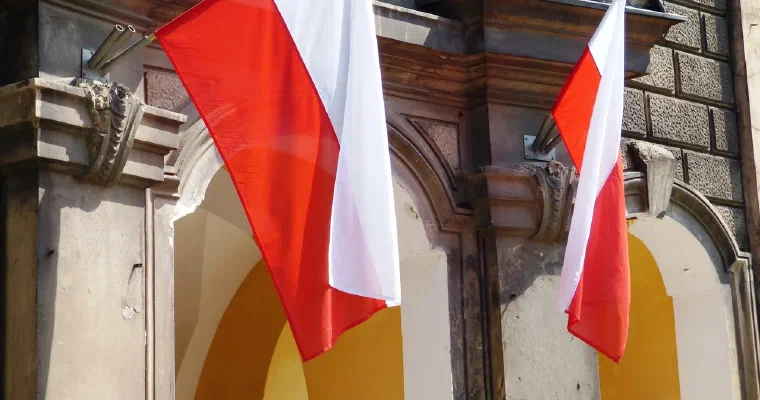
In our previous analysis, we covered the evolution of the situation in Poland regarding the Crypto Asset Market Act. Now, the Polish Financial Supervision Authority (KNF) has issued an official position paper clarifying the rules of engagement during this legal vacuum. The message is clear: existing companies have a safety net, but it comes with a hard, non-negotiable deadline. see more...
As the MiCA transitional window closes in 2026, crypto entrepreneurs must distinguish between regulated services and those falling outside the mandatory licensing perimeter. Understanding these specific exemptions is essential for maintaining operational agility and avoiding the heavy compliance burden of a full Crypto-Asset Service Provider (CASP) authorization. see more...
Malta has solidified its status as a premier hub for digital assets by seamlessly blending years of regulatory experience with the new EU-wide MiCA standards. From strategic “passporting” access across 27 countries to a highly competitive 5% effective tax rate, the island offers a mature ecosystem designed for the long-term success of crypto trading platforms. see more...

The landscape of blockchain gaming has undergone a massive transformation. We have moved past the initial hype of GameFi 1.0, where early “Play-to-Earn” (P2E) models focused heavily on financial speculation, often at the expense of actual gameplay. see more...
Selecting the ideal home for a MiCA license often comes down to a choice between Malta’s specialized speed and Ireland’s institutional prestige. This comparison examines how Malta’s mature ecosystem and tax efficiency stack up against Ireland’s high-tier regulatory reputation to help you determine the best launchpad for your pan-European operations. see more...

The global iGaming industry is undergoing a massive transformation, with market projections suggesting a valuation of 127 billion USD by 2027. This growth is heavily fueled by the synergy between gambling and blockchain technology. see more...
As Malta transitions from its pioneering VFA framework to the EU-wide MiCA regulation, businesses must shift from the legacy VASP status to the new, harmonized CASP designation. This guide outlines the essential updates to licensing, capital requirements, and passporting rights necessary for maintaining compliance in the evolving European market. see more...
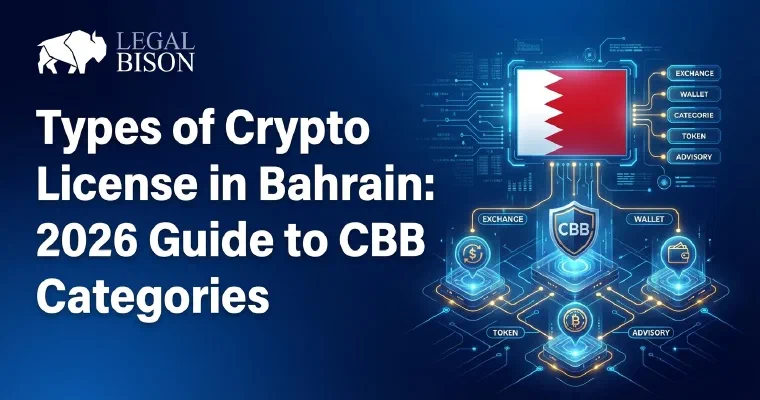
As the Middle East solidifies its position as a global centre for digital asset innovation, the Kingdom of Bahrain has emerged as a particularly attractive jurisdiction for serious crypto entrepreneurs. Knowing the differences between the license categories is a must for the proper authorisation process. see more...
The 2026 regulatory landscape for offshore business and digital assets has shifted decisively toward transparency and substance. For crypto gambling entrepreneurs, the days of operating in a regulatory grey area are over. The success of a modern crypto casino or iGaming platform now hinges entirely on the quality of its license. see more...
The global landscape for crypto-asset regulation has shifted dramatically over the last few years. While Europe implements MiCA and Asian markets tighten their belts, the Middle East has emerged as a surprisingly robust sanctuary for digital asset innovation. Within this region, the Kingdom of Bahrain stands out not just as a participant but as a pioneer. see more...
With the full application of Regulation (EU) 2023/1114, known as the Markets in Crypto-Assets Regulation (MiCA), the European Union has transitioned from an unregulated environment to a comprehensive legal framework. For crypto entrepreneurs and token issuers, the most pressing question is often about speed to market: can you simply publish your white paper and launch, or must you wait for a regulator to sign off? see more...

For crypto entrepreneurs and token issuers, the white paper is now the cornerstone of compliance. It determines your ability to offer tokens to the public, trade on exchanges, and operate without facing severe penalties from National Competent Authorities (NCAs). Under the new rules, a white paper functions similarly to a prospectus in traditional finance; it must be complete, fair, clear, and not misleading. see more...

The global iGaming industry is undergoing a period of rapid expansion and simultaneous regulatory tightening. Navigating this landscape requires a delicate balance between entrepreneurial vision and strict adherence to international legal standards. see more...

The global sports betting market is experiencing an era of unprecedented growth. From traditional football wagering to the explosive rise of eSports betting, the industry offers immense opportunities for entrepreneurs who are ready to navigate the complex regulatory landscape. However, the difference between a successful sportsbook and a failed venture often begins with a single, foundational decision: where to incorporate and license the business. see more...
In the rapidly evolving landscape of European digital finance, the Markets in Crypto-Assets (MiCA) Regulation has fundamentally unified how crypto-asset service providers (CASPs) operate across the Union. MiCA is the latest EU regulation governing crypto activities and licensing across member states, setting new standards for regulatory compliance and operational transparency. see more...

The online entertainment industry is experiencing unprecedented growth, evolving into a sophisticated digital ecosystem where finance, technology, and leisure intersect. For entrepreneurs looking to enter this space, the terminology can often be as complex as the regulatory landscape itself. One of the most common points of confusion lies in the distinction, or lack thereof, between a “gaming license” and a “gambling license.” see more...
With the implementation of the Markets in Crypto-Assets (MiCA) Regulation and the national Digital Finance Act (Act No. 31/2025 Coll.), the Czech Republic has transitioned from a simple registration-based system to a sophisticated licensing regime. The evolving regulatory landscape for crypto companies in the Czech Republic and the EU is shaping new opportunities and compliance requirements for market participants. see more...
This article explores the five commercial and strategic reasons why Ireland has become the top destination for Initial Coin Offerings (ICOs) and token issuance under MiCA, and how this data should influence your decision on where to launch your project. see more...

The EU’s Markets in Crypto-Assets Regulation (MiCA) has fundamentally altered the digital asset landscape. We have moved from the Wild West of unregulated Initial Coin Offerings (ICOs) to a structured, transparent, and legally certain environment. see more...
Within the MiCA framework, Ireland has emerged as a premier jurisdiction for issuance, offering a sophisticated financial ecosystem, a common-law legal system, and a regulator, the Central Bank of Ireland (CBI), that is both rigorous and proactive. see more...
The global landscape for digital assets is undergoing its most significant transformation to date. With the full implementation of the Markets in Crypto-Assets (MiCA) regulation across the European Union, the transition from national “Virtual Asset Service Provider” (VASP) regimes to the harmonised “Crypto-Asset Service Provider” or CASP framework is the primary focus for FinTech entrepreneurs. see more...
The dream for most crypto startups is simple: build a groundbreaking product, scale it across borders, and navigate the regulatory maze without exhausting their seed funding. For years, Poland was the preferred destination for this journey because its registration process was fast, accessible, and relatively low-cost. see more...
For years, Poland was the undisputed budget-friendly destination for crypto startups in Europe. The old VASP (Virtual Asset Service Provider) registry was famously accessible, requiring only a small administrative fee and minimal share capital. However, with the gradual implementation of the Markets in Crypto-Assets (MiCA) regulation, the landscape has shifted from a simple registration to a sophisticated licensing regime. see more...

An update on the situation in Poland, regarding the enforcement of the MiCA regulation and the settling of the Crypto-Assets Service Providers registration process. LegalBison lawyer Krystian Lapka provides us with a regulatory insight. see more...
The Markets in Crypto Assets has now been enforced in Europe and overrules all existing crypto licenses framework, starting in June 2024 and gradually until December 2024. LegalBison sheds light onto this new regulation, so VASPs and crypto entrepreneurs can serenely approach this regulatory evolution. see more...

The focus of crypto as a new asset class has moved from “What is it?” to “How do we operationally and regulatorily integrate it?” as crypto matures. see more...
LegalBison will break down and explain the main differences between the variety of crypto licensing frameworks, such as VASP, DASP, and CASP, so you won’t lag behind competitors in the cryptocurrency industry. see more...
In November this year, LegalBison’s lawyer, Krystian Lapka, reported on the current progression of the MiCA application in Poland. The bill was approved by the local government on November 7 and was waiting for further approval from the president, Karol Nawrocki. However, on Monday, December 1, the president officially vetoed the bill. How will this decision influence the existing Polish VASPs and the entrepreneurs seeking to register in the country? see more...
Preparing an ICO? You are certainly looking for the ideal jurisdiction to run your token sale. And you have certainly heard about the British Virgin Islands (BVI). In this guide, we’ll explore why this jurisdiction is indeed a good pick for a token issuance, and how to go about it with minimal hassle. see more...

Closely following on the development of the enforcement of MiCA in Poland, LegalBison lawyer Krystian Lapka provides insights on the latest amendments made to the Draft Act. see more...

Senior consultant Kirill Gussev has got a strong grip on the crypto regulations worldwide. We asked him what makes Poland a clients’ favourite and he kindly agreed to pinch on the advantages of this framework for us. see more...

What you should remember: see more...
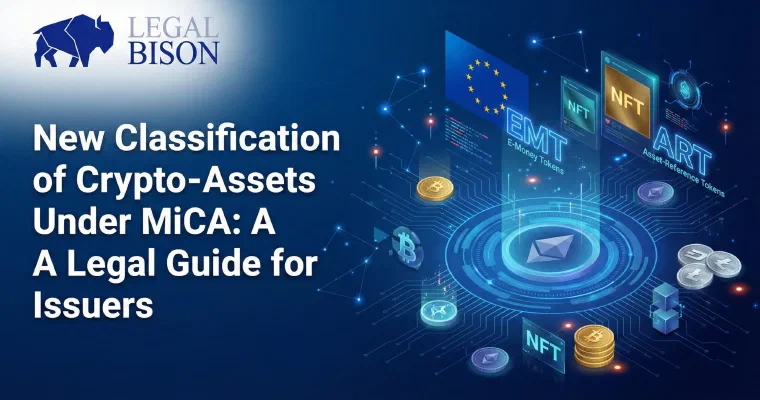
The passing of the Markets in Crypto Assets (MiCA) Regulation in the EU changes the classification of cryptocurrencies. European lawmakers now distinguish three categories of crypto-assets: Asset-Referenced Tokens (ART), Electronic Money Token (EMT) and a third category that includes all assets not falling into the two first classes. LegalBison’s lawyers dive into details in this article. see more...

What are the 10 top crypto exchanges of 2024? What is their legal structure, that allows them to offer virtual assets services all over the world to hundreds of millions of customers? LegalBison investigated for you. see more...
When people are speaking about blockchain and crypto – often, the word blockchain is used as a placeholder for anything in the world of crypto. Obviously, this is incredibly misleading. Let’s roll this up differently. see more...
Nothing matches this filter yet.


