







Blog
Offshore Company Benefits: What You Gain and What You Must Do
Incorporating offshore provides strategic advantages, from tax efficiency to asset protection. However, modern compliance rules require proper planning and execution. see more...
Toll-Free Numbers from these locations. Click to Call for Free
 Austria
 Czech Republic
 Estonia
 Ireland
 Latvia
 Malta
Malta
 Poland
 Romania
 Slovakia
Austria VASP
Slovakia
Austria VASP
 Bulgaria VASP
 Cyprus VASP
Czech Republic VASP
Estonia VASP
Cyprus VASP
Czech Republic VASP
Estonia VASP
 France DASP
 Finland VASP
 Lithuania VASP
 Luxembourg VASP
Malta VASP
Poland VASP
Luxembourg VASP
Malta VASP
Poland VASP
 Portugal VASP
Slovakia VASP
Portugal VASP
Slovakia VASP
 Italy CASP
 Anjouan
 Anguilla
 Antigua & Barbuda
 Aruba
Aruba
 Bahamas
 Bahrain
 Barbados
 Belize
 British Virgin Islands
 Brunei
 Canada LP
 Cayman Islands
 Costa Rica
 Curacao
 Gibraltar
 Great Britain LLP
 Guernsey
Ireland LP
Guernsey
Ireland LP
 Isle of Man
 Jersey
 Labuan
 Marshall islands
 Mauritius
 Panama
 Saint Kitts & Nevis
 Saint Vincent and Grenadines
Scotland LP
Saint Vincent and Grenadines
Scotland LP
 Seychelles
 Vanuatu
The landscape of blockchain gaming has undergone a massive transformation. We have moved past the initial hype of GameFi 1.0, where early “Play-to-Earn” (P2E) models focused heavily on financial speculation, often at the expense of actual gameplay.
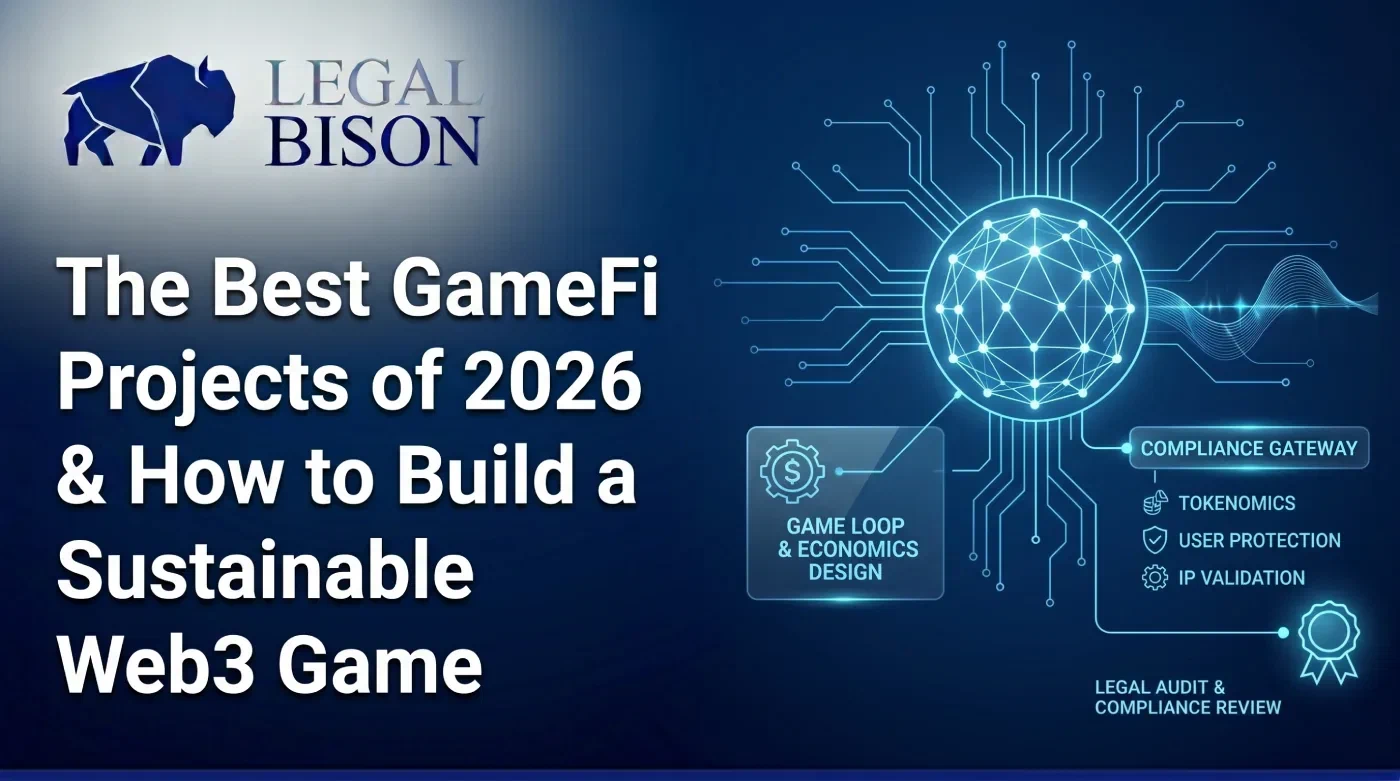
In 2026, the industry has matured into GameFi 2.0, or “Play-and-Earn,” where the priority is creating immersive, high-quality experiences that happen to be powered by blockchain technology.
The growth is backed by significant data. In Q3 2025, Web3 gaming led all blockchain categories with 4.66 million daily active wallets. Analysts now suggest the total market could top 65 billion USD by 2027.
For developers and entrepreneurs, the lesson is clear: to survive and thrive, a project must prioritize “fun” over “finance” while maintaining a robust legal and economic foundation.
To build a successful project, one must first analyze the market leaders that have managed to maintain player interest and economic stability through various market cycles.
Building a blockchain game requires a fusion of traditional game development and decentralized finance (DeFi) architecture. To navigate this complexity, many founders seek specialized GameFi legal support from the very start.
Scalability is the primary concern for any game developer. You must choose between Layer 2 solutions for high performance and Layer 1 for security.
Your choice of engine and blockchain tools will dictate the quality of your game and the ease of integration.
Also read: The Best Smart Contract Platforms of Today and How to Launch Yours
Sustainable tokenomics is the heartbeat of GameFi. Many early projects suffered from a “death spiral” where hyper-inflation killed the game economy because there were too many rewards and not enough ways to spend them.
Navigating the blockchain game legal framework is as important as the code itself. Regulators are increasingly scrutinizing digital assets.
One of the biggest hurdles is the Howey Test. In simple terms: if players purchase your token primarily expecting it to go up in value due to your development efforts, regulators might treat it like a stock. To mitigate this, ensure your token has immediate, clear utility within the game and avoid marketing it as an investment.
You must distinguish between games of skill and games of chance. If players pay to enter a game where the outcome is determined by luck (like a digital slot machine or certain loot boxes) and can win real-world value, you may be classified as a crypto casino. This requires a specific gambling license in many jurisdictions to ensure long-term viability.
Tax reporting is becoming mandatory for both developers and players. For instance, some regions like India have implemented a 30% tax on virtual digital assets (VDAs). You should provide clear transaction histories for your users to help them remain compliant with their local tax authorities.
Related reading: Best Countries to Establish an Online Crypto Casino
A game is nothing without its players. GameFi allows for a unique relationship between developers and the community.
The future of the sector lies in AI-driven NPCs and cross-chain interoperability, where assets from one game can be used in another. By focusing on sustainable economies and legal compliance from day one, your project can transition from a simple startup to a cornerstone of the Web3 ecosystem.
Our team of experts will be glad to provide you with answers and a one-stop-shop solution to all your legal corporate needs.
Incorporating offshore provides strategic advantages, from tax efficiency to asset protection. However, modern compliance rules require proper planning and execution. see more...

This guide breaks down Anti-Money Laundering (AML) compliance for crypto, FinTech, and digital asset founders; covering core regulations, key global authorities, the five essential compliance pillars, and practical strategies to meet jurisdictional standards. see more...

Moving a real-world asset onto a blockchain requires a solid legal and regulatory foundation before any technical work begins. Legal classification, entity setup, regulatory filings, and compliance infrastructure must all be established before the first token is minted. see more...