







Blog
Offshore Company Benefits: What You Gain and What You Must Do
Incorporating offshore provides strategic advantages, from tax efficiency to asset protection. However, modern compliance rules require proper planning and execution. see more...
Toll-Free Numbers from these locations. Click to Call for Free
 Austria
 Czech Republic
 Estonia
 Ireland
 Latvia
 Malta
Malta
 Poland
 Romania
 Slovakia
Austria VASP
Slovakia
Austria VASP
 Bulgaria VASP
 Cyprus VASP
Czech Republic VASP
Estonia VASP
Cyprus VASP
Czech Republic VASP
Estonia VASP
 France DASP
 Finland VASP
 Lithuania VASP
 Luxembourg VASP
Malta VASP
Poland VASP
Luxembourg VASP
Malta VASP
Poland VASP
 Portugal VASP
Slovakia VASP
Portugal VASP
Slovakia VASP
 Italy CASP
 Anjouan
 Anguilla
 Antigua & Barbuda
 Aruba
Aruba
 Bahamas
 Bahrain
 Barbados
 Belize
 British Virgin Islands
 Brunei
 Canada LP
 Cayman Islands
 Costa Rica
 Curacao
 Gibraltar
 Great Britain LLP
 Guernsey
Ireland LP
Guernsey
Ireland LP
 Isle of Man
 Jersey
 Labuan
 Marshall islands
 Mauritius
 Panama
 Saint Kitts & Nevis
 Saint Vincent and Grenadines
Scotland LP
Saint Vincent and Grenadines
Scotland LP
 Seychelles
 Vanuatu
Incorporating offshore provides strategic advantages, from tax efficiency to asset protection. However, modern compliance rules require proper planning and execution. see more...
This guide breaks down Anti-Money Laundering (AML) compliance for crypto, FinTech, and digital asset founders; covering core regulations, key global authorities, the five essential compliance pillars, and practical strategies to meet jurisdictional standards. see more...
Moving a real-world asset onto a blockchain requires a solid legal and regulatory foundation before any technical work begins. Legal classification, entity setup, regulatory filings, and compliance infrastructure must all be established before the first token is minted. see more...
Deciding between custodial vs. non-custodial custody models and understanding licensing are the hardest parts of building a crypto wallet. Discover key management strategies, security requirements, and regulatory considerations to build your wallet correctly. see more...

Seven low-tax jurisdictions are evaluated against essential criteria for international structuring from tax regime, economic substance, EU and OECD compliance, CRS and FATCA participation, banking practicality, and crypto fit. This practical guide offers verifiable facts to help founders select the right legal and tax framework without triggering compliance issues with banks, investors, or tax authorities. see more...

Launching an Initial Coin Offering (ICO) is a regulatory process. The difference between a compliant token launch and an enforcement action comes down to three crucial decisions before writing a single line of code: how your token is classified, where you incorporate, and which filing path you follow. This playbook provides a step-by-step regulatory guide to navigating ICO requirements across six major jurisdictions, covering US SEC exemptions, EU MiCA white papers, Singapore DPT rules, El Salvador's LEAD, BVI, and the UK FCA. see more...

Building cryptocurrency exchange software is the easy part. Operating it lawfully is what determines if you can launch at all. Whether you build a matching engine from scratch or use a white-label platform, you must establish a legal entity, secure regional licenses, and integrate essential compliance frameworks like KYC, AML programs, and Travel Rule protocols before accepting customer funds. see more...
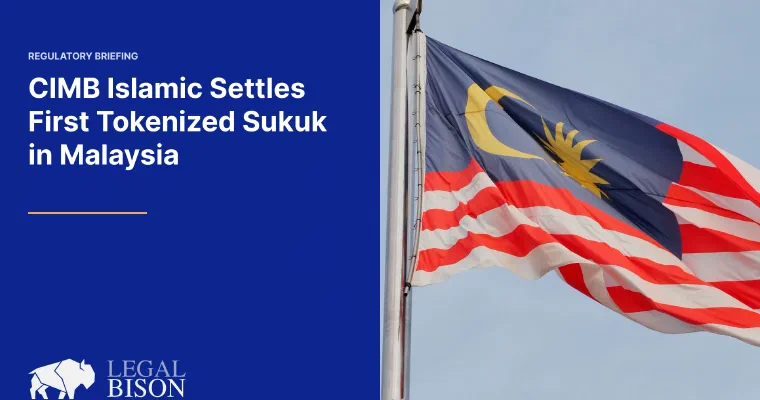
CIMB Islamic Bank Berhad completes Malaysia's first settlement of tokenized sukuk using tokenized deposits under Bank Negara Malaysia's regulatory sandbox, marking a key milestone for DLT adoption in Islamic capital markets. see more...

We break down the critical distinction between coins and tokens, explains the EU's MiCA classification system (covering utility tokens, ARTs, and EMTs), and provides a step-by-step roadmap for token design, smart contract deployment, security audits, and distribution. And examine compliant revenue models and highlights the legal boundaries founders must navigate to avoid securities violations. see more...
Fasset reached a USD 1 billion valuation after a USD 68 million Series C round. The company operates a stablecoin platform across 125 countries. Founders must navigate complex licensing rules to scale this infrastructure. Each jurisdiction classifies stablecoin wallets differently. LegalBison helps founders build compliant entity structures and licensing sequences for international FinTech expansion. see more...

Creating a blockchain involves more than just code. Explore the four main paths to launching your own network, follow our step-by-step technical guide, and learn how to navigate the critical legal and licensing requirements before you go live. see more...

Is Bitcoin the same as crypto? While the terms are often used interchangeably, Bitcoin is just one specific asset within the broader crypto category. Discover the key differences between the two: from supply caps and underlying technology to how regulators classify them for compliance and licensing. see more...

Visa, Mastercard, Fiserv, Circle, Solana, and Remitly have joined the newly formed Agentic Payments Alliance to establish rules and technical standards for AI-driven commerce. Spearheaded by Rain, the working group aims to address agent identity, authorization, and regulatory frameworks for an agentic market projected to reach up to $5 trillion by 2030. see more...

Chime Financial is looking at ways to work stablecoins into its consumer banking app. Following the passage of the GENIUS Act and wider industry moves toward Open USD, Chime's potential integration highlights the accelerating push of digital dollar tokens into everyday payment rails. see more...

Revolut has secured a new full banking license in France following approval from the European Central Bank, resolving past regulatory friction regarding internal product governance. The milestone enables the fintech to expand its footprint and launch new products across Western Europe. For fintech operators, this serves as a key benchmark for navigating EEA licensing and ongoing supervisory compliance. see more...

Brazil’s Central Bank is actively exploring international links for Pix, its dominant instant payment system, through bilateral agreements and multilateral hubs. While connecting Pix globally could speed up cross-border transactions and lower costs, the system has faced trade scrutiny, notably from the U.S., over the central bank's dual role as operator and regulator. As Pix continues to reshape payments, fintechs and payment operators should closely monitor how these cross-border integration plans and trade tensions unfold. see more...

JPMorgan Chase’s decision to end its banking relationship with Polymarket underscores the persistent regulatory challenges facing crypto and prediction market platforms. This analysis examines the broader implications for operators, where banking access remains tied to shifting regulatory landscapes, state-level investigations, and the evolving risk appetites of major financial institutions. see more...
The Payment Services Act is Singapore's payment licensing law. Learn who needs a license, how SPI and MPI thresholds work, and what the 2024 changes mean. see more...
Map your crypto banking license search to the right structure: US trust charters, Wyoming SPDI, EU EMI+CASP, Swiss FINMA, and the banking partners that actually onboard. see more...
The EU's VASP transition ended 1 July 2026. Learn what CASP license adaptation required, where the register stands, and your options if you are not authorized yet. see more...

The complete MiCA license list: CASP for services, EMI for e-money, ART/EMT for token issuance. Capital, reserves, passporting, and how to choose based on your activity. see more...
How crypto market making works explained: The bid-ask spreads, CEX vs DEX models, and when it crosses into licensed territory under MiCA. see more...
The GENIUS Act is the first US federal stablecoin framework. Signed July 2025, effective January 2027. Learn about what it requires, who can issue, what is still undecided. see more...
The U.S. SEC has proposed a new regulatory framework designed to provide clear capital-raising pathways for crypto companies, featuring token issuance exemptions of up to $75 million and a safe harbor from investment contract classification. Introduced under SEC Chair Paul Atkins, the draft rule is currently open for a 60-day public comment period. see more...

Onchain transactions are recorded on the blockchain. Offchain transactions live in a private ledger. See how they differ, where each one appears, and which one you should use. see more...
An onchain wallet stores the private keys to your crypto, and only you can access them. Here's what it's for, how it works, and where the real safety risks sit. see more...

Discover how payment gateways work, the differences between gateways and processors, and essential compliance requirements for online transactions. see more...

Self custody crypto wallet explained from a regulatory perspective. How self custody works, where it fits in the 2026 compliance landscape, and what it means for your business. see more...
Launch your crypto business in 2026 with expert guidance. Learn about company formation, VASP licenses, and MiCA compliance to build a legal, thriving venture. see more...
This deep dive covers practical implementation challenges like the 'Sunrise Issue,' the mechanics of the IVMS101 messaging standard, unhosted wallet verification, and how compliant VASPs and CASPs can navigate fragmented global adoption ahead of the 2030 enforcement deadline. see more...
In this guide, we break down the legal and practical realities of security tokens, stripping away the jargon to give you a clear, direct understanding of this evolving asset class. see more...

Planning to launch a meme coin? Explore the legal structures, commodity classifications, and licensing compliance of today's top tokens. see more...
For founders, investors, and legal teams, one of the most critical distinctions to grasp is the difference between token types. see more...

A compliance officer manages a company’s regulatory obligations, from AML policy to reporting to regulators. See what the role covers and how a CCO differs. see more...
RegTech is software that automates compliance tasks like KYC, transaction monitoring, and reporting. See how it works and where it fits your business. see more...

A registered agent receives legal notices and official mail for a company. See what the role covers, who legally needs one, and what happens if yours lapses. see more...
A practical guide to asset tokenization. Learn what assets can be tokenized, how the legal process works, which jurisdictions apply, and what regulatory obligations follow under MiCA, US law, and Singapore's PSA. see more...

For stablecoin issuers, EMT and ART are legally distinct under MiCA. We unpack the reserve logic, redemption rights, and compliance traps so you don’t get the classification wrong. see more...

Making a meme coin or crypto token is easy; surviving regulation is hard. Learn how to make your own cryptocurrency with our 2026 guide to technical execution and legal compliance. see more...
The mobile gambling market is growing exponentially with access to mobile devices being easier than ever; both hardware and software. What are the realities of market size for mobile gambling by region to licensing for new platform builders? see more...

A comparative index tracking for common legal entity types across more than 80 countries. A master list of company types that come up most often in cross-border structuring, organized by country, plus the factors we weigh first. see more...

In the regulated gaming sector, distinguishing between a commercial casino and a racino is a fundamental prerequisite for accurate operational, financial, and compliance modeling. While both facilities may feature electronic gaming devices or table games, their underlying regulatory architectures are fundamentally different. see more...

Learn how to become an enterprise bookie legally and build a profitable sports betting business. Discover licensing, software, and compliance steps with LegalBison. see more...

A practitioner’s breakdown of how a decentralized betting platform actually works, from smart contracts and on-chain settlement to where licensing and compliance still apply in protocol development. see more...

What it actually takes to launch a peer-to-peer sports betting exchange from licensing model to liquidity. see more...

Indonesia’s House of Representatives passed the law establishing the Pusat Finansial Internasional Indonesia (PFII) on July 21, 2026. The country now has its own dedicated financial center, with its own court system, its own regulator, and a tax package built to compete for the capital that currently flows to Dubai’s DIFC, Singapore, and Hong Kong. […] see more...
MetaMask’s tenth anniversary, marked on July 13, 2026, is as much a licensing story as a product one. Consensys used the milestone to announce that MetaMask, the self-custodial wallet used by more than 100 million people across roughly 190 countries since its 2016 launch by Kumavis and Dan Finlay, is moving from a single-purpose wallet […] see more...
The UK’s Department for Culture, Media & Sport opened an eight-week consultation on 15 July 2026 proposing to ban gambling operators that aren’t licensed by the Gambling Commission from sponsoring or advertising in Great Britain (1). The loophole it’s trying to close has existed since the Gambling Act 2005 came fully into force on 1 […] see more...
CoinFlip, the Chicago-based operator of what it describes as the world’s largest network of cryptocurrency kiosks, has been granted a Markets in Crypto-Assets Regulation license by CONSOB, Italy’s securities regulator. This makes it the country’s first international Crypto-Asset Service Provider authorized under the new regime. The company is setting up its European headquarters in Milan […] see more...
Reverse solicitation has become the single most misunderstood exemption in cross-border financial services. While the concept sounds intuitive on paper, sustaining it under regulatory scrutiny is incredibly difficult in practice. see more...

Wondering whether your platform is a sweepstakes or gambling? Learn the legal test behind the dual-currency model, how AMOEs work, and what happens when regulators reclassify a sweepstakes casino. We break down the prize-chance-consideration framework, compare compliant vs. non-compliant mechanics, and cover key distinctions in the US, UK, Canada, and Australia. Read more to understand where the line actually sits. see more...

Struggling to tell the difference between a sweepstakes vs contest vs giveaway? Learn the contest vs sweepstakes legal distinctions, why a sweepstakes vs contest vs lottery analysis matters, and how to avoid turning your promotion into an illegal gambling operation. see more...

DORA isn’t just a document dump. We explain the real requirements, give you a practical checklist, and show what operational resilience looks like when regulators come knocking. Let’s get you ready. see more...
A shell company holds no assets, operations, or workforce of its own, and that alone isn’t illegal. Used properly, it supports cross-border investment, asset protection, and holding structures. The line between legitimate use and a red flag comes down to whether the beneficial owner can be identified and verified. see more...
DraftKings has spent close to a year building toward the DKeX launch it announced on June 24, 2026. DKeX, its newly unveiled prediction markets exchange, is the commercial payoff of an acquisition the company closed on October 21, 2025 and has been quietly assembling since. Previously, DraftKings Predictions listed contracts built by outside exchanges, mainly […] see more...
Circle got its final approval on July 10, 2026 to open First National Digital Currency Bank, N.A., which will operate as Circle National Trust. see more...
Costa Rica’s new VASP regulation (Ley 10961) goes into effect this September. If your crypto business isn't registered and fully compliant, you risk massive fines and losing your banking relationships overnight. Don't get shut out of the market, find out exactly what you need to do before the deadline hits to secure your operations. see more...
Whether you’re dealing with CDD, filing SARs, or preparing for FATF evaluations, knowing the language is the first step to effective compliance. see more...

The regulatory status of virtual sports betting depends entirely on whether a local government looks at the visual format, a.k.a the “sports wrapper” or the underlying technology (the RNG factor). see more...

Are sweepstakes sportsbooks actually legal and if not, what legal loophole makes this possible? see more...

This guide lists the major gambling commissions worldwide and outlines the factors we consider when advising clients on jurisdiction selection. see more...

A founder building a prediction market platform would ask us whether they need a gambling license, a derivatives license, or something else entirely? see more...

A racino runs on two separate licenses under one roof, and most of the confusion about what a racino actually is comes from ignoring that split. see more...

A sweepstake promises you a prize for doing nothing more than showing up. That single detail, the fact that you don’t have to pay to enter, is the entire reason the format is legal in the first place. see more...

A founder wants to talk through a new project, and at some point in the intake they say some version of “I want to build something like Stake.” What follows is usually a licensing conversation the founder did not expect to have. see more...

The mechanics of prediction market are quite simple to describe. Meanwhile, the regulatory treatment is not, and that gap is what turns the space into both a commercial opportunity and an open legal question for founders building in it. see more...
On June 30, 2026, a consortium of more than 140 companies from Visa, Mastercard, Stripe, BlackRock, Coinbase, and Ripple among them announced Open USD, a dollar stablecoin governed collectively through an independent entity called Open Standard. see more...
The company stopped operating eGames halls directly years ago; what it sells now is platform infrastructure, systems integration, and the compliance paperwork behind them. see more...
Regulators want to know how the money moves. Explore the core differences between GGR vs. NGR and how they relate to AML reporting in online gambling platforms. see more...
How can we ensure our iGaming platform has a payment stack that satisfies every compliance layer without compromising the product? see more...
As regulators across the European Union, the United Kingdom, and other jurisdictions finalize frameworks governing digital assets, we’ve watched the classification and operational mechanics of tokens transition from technical considerations to critical compliance obligations. see more...

The hard question is not whether Meta can build a prediction markets product. But rather how it licenses one across four or five jurisdictions with conflicting legal frameworks and no settled consensus on whether prediction markets are gambling, financial derivatives, or something else entirely. see more...

Many aspiring operators burn their initial capital on brand design, only to get stuck weeks before launch due to a frozen merchant account, a rejected license application, or an odds feed that lags too far behind to protect their margins. see more...

Prediction-market monthly transaction volume grew from about USD 1.2 billion in early 2025 to over USD 20 billion in January 2026, suggesting that the category is moving beyond niche users into wider retail participation. see more...

Wall Street Journal investigation revealed that Polymarket had been running a coordinated influencer campaign built on fabricated trades. see more...

Let’s look into the trend of social casino as a platform and how this business model makes money from operators, payment processors, and investors’ perspective. see more...
Whether operating as an Independent Sales Organization (ISO) or a Payment Service Provider (PSP), companies must sequence federal registrations (such as FinCEN MSB), state Money Transmitter Licenses (MTLs), and international authorizations (PSD2/PSD3 in the EU) correctly while maintaining robust compliance, fraud prevention, and gateway technology stacks. see more...
Binance pulled its MiCA license application in Greece this week 4 of June. The world’s largest crypto exchange, serving tens of millions of European users, could not get authorization from the Hellenic Capital Market Commission before the July 1 deadline. It now has days to find another EU member state willing to take it on, or start winding down operations across the bloc. see more...

In the world of digital entertainment, systems like PlayStation Points serve as a clear, compliant example of a closed-loop system, where value is earned and spent strictly within a single platform ecosystem. see more...

Building a casino game that can legally operate for real-money play requires two entirely separate skill sets: the technical capability to ship a competitive product, and the regulatory infrastructure to monetize it. see more...

You can have the best games and the sharpest marketing, but if your payment setup fails, your operation will be unable to function. see more...

Discover how the provably fair algorithm works in online gambling, and learn the essential legal, licensing, and company formation steps to launch a compliant crypto casino. see more...

This guide covers each of those layers for founders and operators who want to launch compliantly and at scale. see more...

This guide covers every major online casino game type in circulation in 2026, the psychology that makes each one work, and the operator decision framework for assembling a portfolio that performs. see more...
Poland’s registered VASPs are moving toward CASP authorization under MiCA, supervised by KNF, but the transitional period does not suspend the existing AML Act framework. A registered VASP operating under transitional arrangements remains subject to GIIF inspection and the Article 130(2) authorities in the meantime. see more...

Buying a turnkey online casino buys you ownership, full margin, and control (and, in the same breath, responsibility for three licences, your own banking, and every liability you did not diligence away). Crossed deliberately, the gap between a delivered platform and an operating casino is bridgeable; crossed carelessly, it is where launches stall. see more...

When entrepreneurs ask how to start a bitcoin casino, they often focus solely on the technology stack and game integration. However, navigating the complex web of offshore licensing, AML compliance, and fiat off-ramping is equally critical for long-term success and scalability. see more...

The growing popularity of no-KYC casinos therefore raises an important question: while the model may be attractive from a user experience perspective, is it legally sustainable in today’s regulatory environment? see more...

Successful Bitcoin casinos are built at the intersection of blockchain technology and regulatory compliance. This is a guide for founders in the crypto casino and gamefi spaces: here are what licensing and operating a Bitcoin casino (or other crypto gaming model) entail. see more...

The global gambling industry generated between USD 85 billion and USD 130 billion in revenue in 2025, depending on which market segments analysts include. Online gambling platforms cover 63% of that total. For founders and entrepreneurs evaluating this space, statistics tell only part of the story. The other part is about licensing, jurisdictional strategy, and what separates future-proof operators from those who stall at the starting line. see more...
Compliance defines market access in 2026. Digital asset service providers are up against institutional-grade regulatory standards, especially when it comes to AML and KYC compliance. The firms that do not treat it seriously can lose their licenses, banking relationships, and operating permissions across every major jurisdiction. see more...

A money transmitter license is triggered by conducting money transmission within a state. The overlap between MTL vs MSB license is significant but not total; and the activities that separate them matter more than most founders realize. see more...
Major exchanges kept their BVI and Cayman parents. Offshore token issuers file EU white papers without a single European entity. The regulation always allowed this. Most advisors just did not read it carefully enough. see more...

Montana statute does not define “money transmitter,” which means no licensing framework exists at the state level for that activity. The DBFI briefly requested business plans from money transmitters in early 2023, then withdrew that request after concluding it had no statutory authority to require them. That withdrawal settled the question, at least for now. see more...
Crypto licensing frameworks in Europe, Dubai, and Singapore seem similar on the surface, but they serve different markets. Choosing the wrong setup can break your operational model. see more...

The real questions around market cap go beyond the basic formula. Founders need to know what this number actually signals and how it changes across crypto, traditional equity, and commodities. see more...
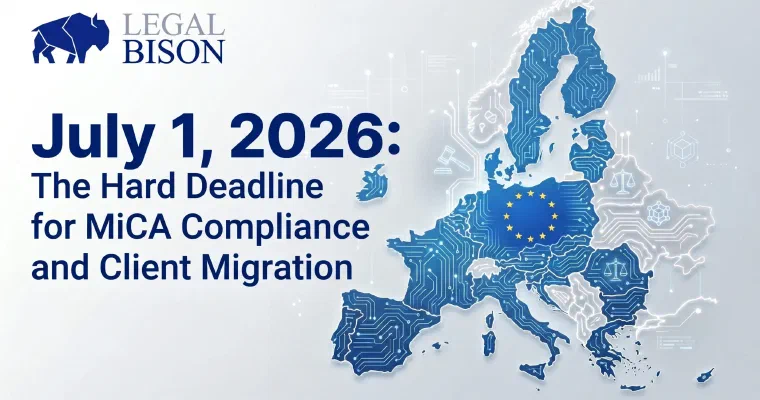
The Markets in Crypto-Assets (MiCA) transitional period officially ends on July 1, 2026, marking a definitive shift in the European regulatory environment. Following this date, any crypto-asset service provider (CASP) serving EU clients without a specific MiCA license will be in breach of EU law and must cease all operations within the Union. This hard stop applies across all Member States regardless of whether MiCA has been fully implemented at the national level. see more...
Margin trading serves as a critical operational foundation for modern fintech and crypto exchanges by allowing users to access borrowed capital for larger market positions. LegalBison assists founders in navigating the strict regulatory requirements and complex corporate architectures necessary to licensed these products across more than 50 jurisdictions. see more...
Selecting the ideal jurisdiction for a crypto derivatives exchange requires navigating a complex global landscape where standard licenses rarely permit leveraged products. LegalBison provides the specialized expertise and compliance architecture necessary to help founders launch regulated margin trading platforms across top-tier regions like the UAE and the EU. see more...
Most founders pursuing a MiCA license assume they are solving their EU regulatory problem. They are solving part of it. The rest depends on which services they actually offer. see more...
If you’re running a centralised crypto exchange and you’ve got Hong Kong retail users on your platform, you need a VASP license. Not a best-practice recommendation. A legal requirement, mandatory since June 2023, with criminal penalties for non-compliance: up to five years imprisonment and a HKD 5 million fine under the Anti-Money Laundering and Counter-Terrorist […] see more...
A crypto license that cannot produce a corporate bank account is operationally incomplete for any exchange handling fiat currency. The license is the regulatory authorization. Banking access is the infrastructure that makes the business function. These are related but not the same thing, and this distinction is one of the most consistently underestimated challenges in […] see more...
You have the entity. You have the address. You even have the capital. So why is the regulator still not satisfied? Because under MiCA, substance is an empirical test of whether your business genuinely operates from within the EU, and most applicants underestimate what that actually demands. see more...
Most crypto exchange licensing delays and failures trace back to the same origin: the application was submitted before the business model architecture was fully mapped. The regulatory documentation is not the hard part. The hard part is the analysis that has to happen before any document is prepared. Founders who understand this produce applications that […] see more...
A valid EU gaming license does not mean open access across all Member States. A recent Court of Justice ruling confirms that national restrictions can override home-state authorization, exposing operators to consumer restitution claims they may not have anticipated. The jurisdictional and liability picture is more intricate than most assume. see more...
The organizational chart with the right job titles will not get a CASP license approved. What the regulator is assessing is a compliance architecture: documented independence, collective expertise across three distinct knowledge domains, and real institutional substance. see more...

A detailed license comparison to help iGaming operators choose the right gambling license based on target markets, budget, banking access, and corporate taxes. see more...
Regulators assess who actually wields operational control, not what a project calls itself. The fully decentralised exemption under MiCA is exceptionally narrow, and the substance-over-form test has material consequences for most DeFi teams building for European markets. see more...

Think of a gambling license as the foundation of your entire operation. Without it, banks, game developers, and regulators simply refuse to connect. Learn how iGaming rules actually work, how to choose a jurisdiction, and what it costs to get approved. see more...
The MiCA white paper serves as a mandatory legal disclosure instrument rather than a narrative marketing pitch. Its legal function is equivalent to a traditional finance securities prospectus. This study by LegalBison analyses the transition from narrative-driven crypto documentation to the mandatory legal disclosure instruments now required in the European Union. see more...
We studied extensively the Markets in Crypto-Assets (MiCA) interim registers held by the European Securities and Market Authority (ESMA). Data showed notable tendencies and a few surprising facts. see more...
Investors use leverage to manage large market positions with only a small amount of upfront capital to enhance their potential returns. This guide examines the development of these digital financial products and the specific regulatory hurdles platforms face when securing a formal operating license. see more...
The cryptocurrency industry in 2026 is no longer a frontier market. In this guide, LegalBison breaks down the most viable crypto business models gaining traction this year, and explains the legal and licensing foundations each one requires to operate compliantly across global markets. see more...

Ireland has emerged as a leading European hub for regulated digital asset activity, attracting major global exchanges alongside ambitious fintech founders. This guide examines the top crypto exchange platforms operating in Ireland, the regulatory framework that governs them, and the practical steps required to launch a compliant exchange in today’s MiCA-driven environment. see more...
Georgia has emerged as a serious contender in the global crypto licensing landscape, offering two distinct regulatory pathways tailored to different business models. This guide explains the key differences between the mainland VASP license supervised by the National Bank of Georgia and the Tbilisi Free Industrial Zone structure, helping founders determine which route aligns with their operational, regulatory, and tax priorities. see more...
Malaysia has established one of Southeast Asia’s most tightly regulated digital asset markets, where operating a crypto exchange requires formal approval and ongoing supervision. This guide outlines the complete list of exchanges registered with the Securities Commission Malaysia and explains the legal framework, compliance standards, and strategic considerations for launching or evaluating a regulated crypto platform in the country. see more...
Dubai has emerged as one of the most structured and strategically attractive jurisdictions for crypto businesses, but navigating its licensing framework requires clarity from the outset. This 2026 legal guide breaks down the types of crypto licenses available in the UAE, the regulatory routes under VARA and the DFSA, and the capital, compliance, and cost considerations founders must assess before launching. see more...
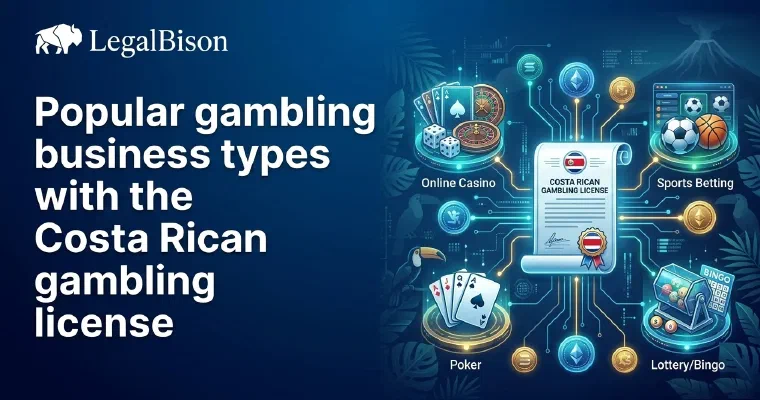
Costa Rica has emerged as a premier global destination for the online gaming industry due to its flexible regulatory framework and favorable territorial tax system. Entrepreneurs frequently choose this jurisdiction to launch innovative platforms quickly while benefiting from a supportive environment for both traditional betting and modern blockchain projects. see more...

Prediction markets have emerged as one of the fastest-growing sectors in decentralized finance, attracting billions in trading volume and reshaping how people hedge risk and forecast global events. As the industry matures, founders must understand both the technical mechanics of on-chain markets and the complex regulatory choices that determine whether a platform can scale legally and sustainably in 2026. see more...
As platforms like Polymarket and Kalshi gain mainstream traction, the line between financial trading and traditional sports betting is becoming increasingly blurred. Understanding the structural, legal, and licensing differences between prediction markets and sportsbooks is essential for founders and investors who want to launch compliant, scalable, and legally sound platforms. see more...

By 2026, prediction markets have grown from niche crypto projects into an essential part of the global financial system. These platforms provide highly accurate data by combining the knowledge of thousands of people into one live market price. This guide explores the top 7 popular prediction markets and an optimal path to starting your own. see more...
Prediction markets have transformed from experimental tools into regulated financial engines that define the global landscape of 2026. Launching a successful platform requires a strategic approach to licensing to ensure compliance across various international jurisdictions. see more...
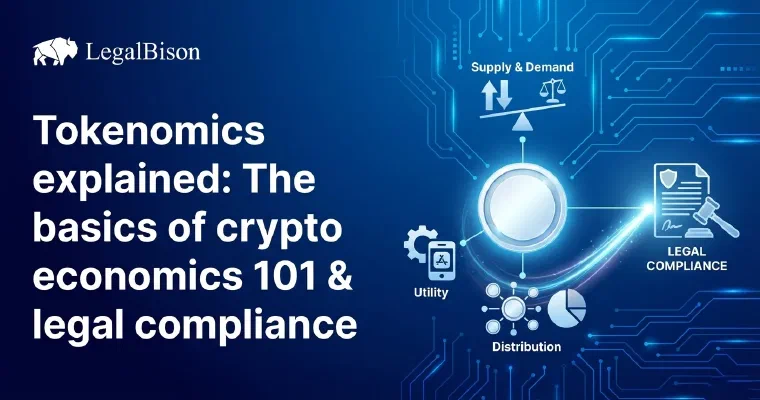
Tokenomics serves as the essential architectural blueprint for decentralized protocols by defining how value is created and distributed among participants. This guide explores the fundamental principles of crypto economics alongside the legal frameworks necessary to ensure long term project sustainability. see more...
The integration of blockchain technology into the esports sector represents a fundamental shift toward digital asset ownership and transparent monetization models. While these innovations offer significant growth opportunities for developers and players, they also introduce complex regulatory requirements that necessitate careful corporate structuring. see more...

An Electronic Money Institution license provides the legal framework necessary for fintech companies to issue digital currency and facilitate complex payment transactions across borders. This guide details the fundamental distinctions between licensing tiers and the procedural steps required to establish a compliant and scalable financial entity. see more...
Smart contracts have evolved from experimental concepts into the primary infrastructure driving the global digital finance ecosystem. This guide explores how fintech organizations can navigate the complex intersection of automated blockchain code and traditional legal requirements to ensure regulatory success. see more...
Decentralized applications represent a shift from centralized corporate servers to peer-to-peer blockchain networks that prioritize user autonomy and system resilience. This guide explores the technical architecture of these platforms and the essential legal structures required to maintain global compliance in the 2026 regulatory environment. see more...
The transition from traditional centralized finance to decentralized blockchain networks hinges on the fundamental concept of consensus mechanisms. For any enterprise entering the Web3 space, choosing between the energy-intensive security of Proof of Work and the capital-efficient scalability of Proof of Stake is a critical business decision that defines its legal and operational future. see more...
The cryptocurrency market has evolved into a sophisticated financial ecosystem dominated by Bitcoin and Ethereum, which together represent the vast majority of digital asset market capitalization. While both projects utilize decentralized ledgers, their fundamentally different technical architectures result in distinct legal classifications and regulatory requirements for entrepreneurs. see more...
The European regulatory environment for digital assets is currently undergoing a massive transformation that demands the immediate attention of all industry participants. Recent guidance from the European Banking Authority clarifies the strict compliance crossover between MiCA and PSD2 regulations as the critical March 2026 transition deadline approaches. see more...
The European regulatory landscape for digital assets is currently undergoing a massive structural transformation that demands immediate and precise action from all industry participants. As the March 2026 transition deadline approaches, crypto businesses must align their operations with traditional payment services regulations to ensure uninterrupted service and long-term compliance. see more...
The digital payments landscape in Europe is growing at an explosive rate and offers massive potential for fintech and crypto startups. Navigating the complex regulatory requirements of the Second Payment Services Directive is the essential first step for any business aiming to operate securely within this lucrative market. see more...
The Cayman Islands offers a premier offshore environment where foreign entrepreneurs can establish and manage a regulated crypto business entirely from abroad. This guide explores how the updated legal framework for 2026 provides tax neutrality and a structured path for virtual asset service providers to operate globally. see more...
The Cayman Islands has established itself as a premier global hub for digital asset innovation by combining tax neutrality with a highly sophisticated regulatory framework. This article explores the essential steps for setting up a crypto business in the jurisdiction, from choosing the right corporate structure to navigating the latest licensing requirements. see more...
Choosing between the Cayman Islands and the British Virgin Islands is a pivotal decision that defines a crypto venture’s regulatory standing and operational agility. This article explores the core differences between these two premier jurisdictions to help you determine which offshore hub best aligns with your project’s institutional goals and budget. see more...
The Cayman Islands has established itself as a premier global destination for digital asset innovation by offering a sophisticated and predictable regulatory environment. This article explores the core advantages of the jurisdiction, from its tax-neutral status to the specialized legal structures tailored for the Web3 era. see more...
Estonia has established itself as a premier destination for crypto businesses by transitioning its robust digital infrastructure to meet the rigorous standards of the new European MiCA regulation. LegalBison explains how obtaining an Estonian CASP license provides companies with a strategic launchpad to access the entire European market while benefiting from a highly competitive tax environment. see more...

In 2026, the migration of digital asset ventures to offshore hubs has evolved from a quest for secrecy into a strategic pursuit of specialized, high-growth regulatory environments. This guide analyzes the top seven jurisdictions for crypto innovation and outlines how LegalBison provides the “legal engineering” necessary to build your project on a globally compliant foundation. see more...
As global regulators tighten their grip on digital assets, forward-thinking entrepreneurs are shifting their focus from “onshore” constraints to the strategic advantages of regulated offshore hubs. This article explores how navigating these specialized jurisdictions, from the UAE to the Caribbean can provide your crypto business with the essential balance of legal clarity, fiscal efficiency, and operational agility required to scale in 2026. see more...

The evolution of online gambling is increasingly defined by a decisive move away from legacy banking toward the streamlined efficiency of blockchain-integrated platforms. By pairing the transparency of decentralized technology with the strategic benefits of offshore licensing, operators are establishing a new gold standard for global gaming that prioritizes speed, privacy, and operational freedom. see more...
Estonia has long been the primary gateway for digital asset innovation within the European Union. Its reputation as a digital first nation is built on decades of infrastructure development and a transparent relationship between the state and entrepreneurs. For high level Web3 projects specializing in DeFi, security, and payments, the jurisdiction offers a unique proof of concept for regulatory success. see more...
The European crypto landscape is undergoing a massive transformation under the Markets in Crypto-Assets (MiCA) regulation. For many founders, Estonia has long been the primary destination for establishing a digital asset business. The reputation of the country is built on its innovative e-Residency program and a unique corporate tax system. see more...
Mauritius has established itself as a leading destination for financial innovation within the African continent and the global stage. The jurisdiction offers a sophisticated regulatory framework that provides clarity for digital asset businesses. This environment allows entrepreneurs to build sustainable ventures while benefiting from a favorable tax regime. see more...
The era of “flying under the radar” in the European Union has effectively ended as integrated databases and stringent new frameworks like MiCA make informal operations a high-stakes gamble. For entrepreneurs, understanding the shift from minor administrative hurdles to aggressive global turnover penalties and personal liability is now the only way to ensure business longevity. see more...
The era of “flying under the radar” in the European Union has effectively ended as integrated databases and stringent new frameworks like MiCA make informal operations a high-stakes gamble. For entrepreneurs, understanding the shift from minor administrative hurdles to aggressive global turnover penalties and personal liability is now the only way to ensure business longevity. see more...
Choosing a regulatory home for a cryptocurrency business is a strategic decision that defines the future of a project. Entrepreneurs often find themselves comparing the innovative landscape of El Salvador with the established financial prestige of Mauritius. Each jurisdiction offers a unique set of advantages depending on the target market and the nature of the digital asset services provided. see more...

Navigating the transition to the new European regulatory framework for crypto-assets is a priority for every existing operator. The Markets in Crypto-Assets (MiCA) Regulation introduces a unified system that replaces diverse national regimes. This guide clarifies how to move from your current registration to full authorization as a Crypto-Asset Service Provider (CASP). see more...
Launching a digital asset platform in the world’s most active trading region requires more than just high-performance technology. To navigate the complexities of the Eastern markets, you must master local compliance, secure institutional-grade custody, and select a jurisdiction that aligns with your business model. This guide provides the essential roadmap for successfully establishing a compliant exchange while meeting the high standards of modern regulators. see more...
Asia is no longer just a participant in the digital asset space. It has become the primary engine of the global crypto economy. Current data indicates that the region holds over 60% of the world cryptocurrency users. see more...
The digital asset landscape has evolved from the dominance of centralised platforms into a sophisticated ecosystem where decentralised exchange volume recently surged to record peaks. For entrepreneurs and investors in 2026, navigating these models requires balancing the high-speed efficiency of traditional intermediaries with the non-custodial security of on-chain protocols. see more...
The landscape of blockchain capital formation has transitioned from early direct-to-investor offerings into a sophisticated ecosystem of exchange-mediated and decentralised fundraising models. In 2026, selecting the appropriate vehicle is a high-stakes strategic decision where a single misstep can lead to severe MiCA regulatory penalties or a fatal lack of market liquidity. see more...
As the July 2026 deadline for MiCA transition approaches, the legal boundary between regulated service providers and “fully decentralized” protocols has become the primary survival factor for crypto projects in the EU. This article explores the technical and legal benchmarks required to claim the Recital 22 exemption and navigate the rigorous new standards for CASP licensing. see more...
The “crypto wild west” has officially been replaced by a map of sophisticated, high-stakes borders. As 2026 unfolds, founders must decide between the massive retail reach of the EU’s MiCA framework and the specialized, tech-first agility of Dubai’s VARA. This guide navigates the “hard stops” and strategic trade-offs of the modern regulatory landscape to help you plant your flag in the right territory. see more...
In the pre-regulation era of 2017, a mistake in a crypto white paper was often fixed with a quick website edit and a tweet. Those days are over. Under the full application of the Markets in Crypto-Assets Regulation (MiCA), your white paper is more than a marketing deck, it’s now a binding legal prospectus. see more...
The concept of passporting is the "holy grail" for crypto entrepreneurs looking to scale. In the 2026 regulatory landscape, understanding this mechanism is the difference between a fragmented, high-cost operation and a streamlined European powerhouse. see more...
For crypto entrepreneurs entering the European Union, the Markets in Crypto-Assets Regulation (MiCA) introduces a rigorous authorization framework. A critical first step in your compliance journey is determining which “class” of license applies to your business model. This classification dictates your initial capital requirements, your governance obligations, and the complexity of your application. see more...
The European Union’s Markets in Crypto-Assets Regulation (MiCA) has created the world’s first comprehensive framework for crypto assets. For international entrepreneurs, this represents a massive opportunity to access 450 million consumers with a single license. However, a common question arises for founders based in Dubai, Singapore, or the United States: can you obtain this license without living in Europe? see more...

In our previous analysis, we covered the evolution of the situation in Poland regarding the Crypto Asset Market Act. Now, the Polish Financial Supervision Authority (KNF) has issued an official position paper clarifying the rules of engagement during this legal vacuum. The message is clear: existing companies have a safety net, but it comes with a hard, non-negotiable deadline. see more...
As the MiCA transitional window closes in 2026, crypto entrepreneurs must distinguish between regulated services and those falling outside the mandatory licensing perimeter. Understanding these specific exemptions is essential for maintaining operational agility and avoiding the heavy compliance burden of a full Crypto-Asset Service Provider (CASP) authorization. see more...
Malta has solidified its status as a premier hub for digital assets by seamlessly blending years of regulatory experience with the new EU-wide MiCA standards. From strategic “passporting” access across 27 countries to a highly competitive 5% effective tax rate, the island offers a mature ecosystem designed for the long-term success of crypto trading platforms. see more...

The landscape of blockchain gaming has undergone a massive transformation. We have moved past the initial hype of GameFi 1.0, where early “Play-to-Earn” (P2E) models focused heavily on financial speculation, often at the expense of actual gameplay. see more...
Selecting the ideal home for a MiCA license often comes down to a choice between Malta’s specialized speed and Ireland’s institutional prestige. This comparison examines how Malta’s mature ecosystem and tax efficiency stack up against Ireland’s high-tier regulatory reputation to help you determine the best launchpad for your pan-European operations. see more...
The global iGaming industry is undergoing a massive transformation, with market projections suggesting a valuation of 127 billion USD by 2027. This growth is heavily fueled by the synergy between gambling and blockchain technology. see more...
As Malta transitions from its pioneering VFA framework to the EU-wide MiCA regulation, businesses must shift from the legacy VASP status to the new, harmonized CASP designation. This guide outlines the essential updates to licensing, capital requirements, and passporting rights necessary for maintaining compliance in the evolving European market. see more...
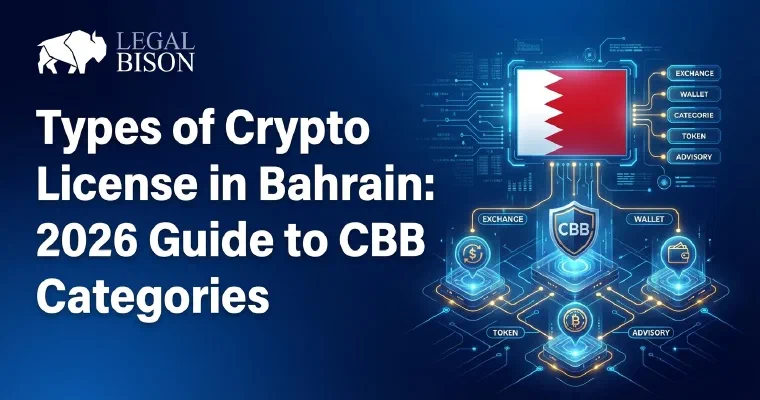
As the Middle East solidifies its position as a global centre for digital asset innovation, the Kingdom of Bahrain has emerged as a particularly attractive jurisdiction for serious crypto entrepreneurs. Knowing the differences between the license categories is a must for the proper authorisation process. see more...
The 2026 regulatory landscape for offshore business and digital assets has shifted decisively toward transparency and substance. For crypto gambling entrepreneurs, the days of operating in a regulatory grey area are over. The success of a modern crypto casino or iGaming platform now hinges entirely on the quality of its license. see more...
The global landscape for crypto-asset regulation has shifted dramatically over the last few years. While Europe implements MiCA and Asian markets tighten their belts, the Middle East has emerged as a surprisingly robust sanctuary for digital asset innovation. Within this region, the Kingdom of Bahrain stands out not just as a participant but as a pioneer. see more...
With the full application of Regulation (EU) 2023/1114, known as the Markets in Crypto-Assets Regulation (MiCA), the European Union has transitioned from an unregulated environment to a comprehensive legal framework. For crypto entrepreneurs and token issuers, the most pressing question is often about speed to market: can you simply publish your white paper and launch, or must you wait for a regulator to sign off? see more...
For crypto entrepreneurs and token issuers, the white paper is now the cornerstone of compliance. It determines your ability to offer tokens to the public, trade on exchanges, and operate without facing severe penalties from National Competent Authorities (NCAs). Under the new rules, a white paper functions similarly to a prospectus in traditional finance; it must be complete, fair, clear, and not misleading. see more...

The global iGaming industry is undergoing a period of rapid expansion and simultaneous regulatory tightening. Navigating this landscape requires a delicate balance between entrepreneurial vision and strict adherence to international legal standards. see more...

The global sports betting market is experiencing an era of unprecedented growth. From traditional football wagering to the explosive rise of eSports betting, the industry offers immense opportunities for entrepreneurs who are ready to navigate the complex regulatory landscape. However, the difference between a successful sportsbook and a failed venture often begins with a single, foundational decision: where to incorporate and license the business. see more...
In the rapidly evolving landscape of European digital finance, the Markets in Crypto-Assets (MiCA) Regulation has fundamentally unified how crypto-asset service providers (CASPs) operate across the Union. MiCA is the latest EU regulation governing crypto activities and licensing across member states, setting new standards for regulatory compliance and operational transparency. see more...
The online entertainment industry is experiencing unprecedented growth, evolving into a sophisticated digital ecosystem where finance, technology, and leisure intersect. For entrepreneurs looking to enter this space, the terminology can often be as complex as the regulatory landscape itself. One of the most common points of confusion lies in the distinction, or lack thereof, between a “gaming license” and a “gambling license.” see more...
With the implementation of the Markets in Crypto-Assets (MiCA) Regulation and the national Digital Finance Act (Act No. 31/2025 Coll.), the Czech Republic has transitioned from a simple registration-based system to a sophisticated licensing regime. The evolving regulatory landscape for crypto companies in the Czech Republic and the EU is shaping new opportunities and compliance requirements for market participants. see more...
This article explores the five commercial and strategic reasons why Ireland has become the top destination for Initial Coin Offerings (ICOs) and token issuance under MiCA, and how this data should influence your decision on where to launch your project. see more...
The EU’s Markets in Crypto-Assets Regulation (MiCA) has fundamentally altered the digital asset landscape. We have moved from the Wild West of unregulated Initial Coin Offerings (ICOs) to a structured, transparent, and legally certain environment. see more...
Within the MiCA framework, Ireland has emerged as a premier jurisdiction for issuance, offering a sophisticated financial ecosystem, a common-law legal system, and a regulator, the Central Bank of Ireland (CBI), that is both rigorous and proactive. see more...
The global landscape for digital assets is undergoing its most significant transformation to date. With the full implementation of the Markets in Crypto-Assets (MiCA) regulation across the European Union, the transition from national “Virtual Asset Service Provider” (VASP) regimes to the harmonised “Crypto-Asset Service Provider” or CASP framework is the primary focus for FinTech entrepreneurs. see more...
The dream for most crypto startups is simple: build a groundbreaking product, scale it across borders, and navigate the regulatory maze without exhausting their seed funding. For years, Poland was the preferred destination for this journey because its registration process was fast, accessible, and relatively low-cost. see more...
For years, Poland was the undisputed budget-friendly destination for crypto startups in Europe. The old VASP (Virtual Asset Service Provider) registry was famously accessible, requiring only a small administrative fee and minimal share capital. However, with the gradual implementation of the Markets in Crypto-Assets (MiCA) regulation, the landscape has shifted from a simple registration to a sophisticated licensing regime. see more...

An update on the situation in Poland, regarding the enforcement of the MiCA regulation and the settling of the Crypto-Assets Service Providers registration process. LegalBison lawyer Krystian Lapka provides us with a regulatory insight. see more...
The Markets in Crypto Assets has now been enforced in Europe and overrules all existing crypto licenses framework, starting in June 2024 and gradually until December 2024. LegalBison sheds light onto this new regulation, so VASPs and crypto entrepreneurs can serenely approach this regulatory evolution. see more...
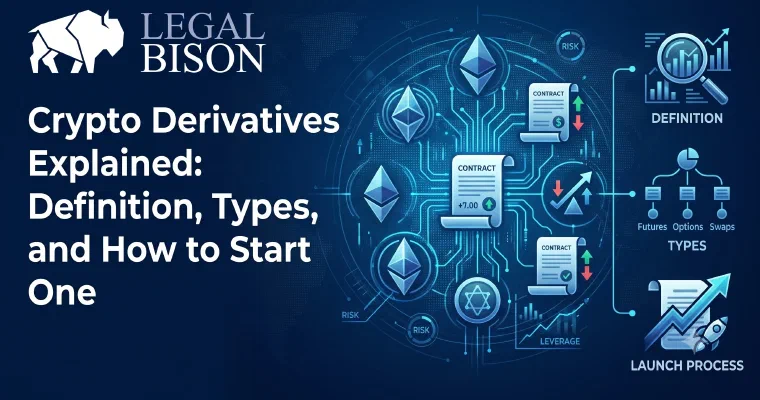
We will explore what crypto derivatives are, including common types such as futures, options, swaps, and perpetual contracts; why they are the cornerstone of modern exchange revenue, and the regulatory labyrinth you must navigate to provide them to your clients. see more...
This article explores the three pillars of contemporary trading: Spot, Prop (Proprietary) Trading, and Perps (Perpetual Futures). By comparing these from the perspective of both the user and the platform provider, we aim to clarify the operational and legal complexities of the fintech world. see more...

LegalBison have curated the most accurate list of the best jurisdictions for establishing a crypto prop firm in the current landscape, ranging from the prestigious corridors of Dubai to the agile offshore jurisdictions. see more...

For those looking to establish a proprietary trading firm or for traders seeking to understand the mechanics of the platforms they use, understanding the legal, historical, and operational framework is essential. see more...

In the high-stakes world of FinTech and Web3, smart contract platforms are moving billions of dollars, executing complex supply chain logistics, and powering decentralized autonomous organizations (DAOs). see more...

Planning to launch a perps platform? It’s crucial to look at crypto friendly countries. These jurisdictions offer supportive legal frameworks, tax policies, and regulatory clarity, making them attractive for crypto trading and innovation. see more...

Thinking of opening a crypto spot trading company? This guide compares the top jurisdictions for establishing a spot trading company, ranging from established Asian powerhouses to tax-efficient offshore hubs. see more...

The focus of crypto as a new asset class has moved from “What is it?” to “How do we operationally and regulatorily integrate it?” as crypto matures. see more...
LegalBison have compiled a comprehensive guide to demystifying perpetual futures, exploring their mechanics, their fascinating history, and the strategic roadmap for businesses looking to enter this high-yield arena. see more...
The movement from one “Fi” to another represents the evolutionary shift: from centuries-old traditional financial systems (TradFi) to hybrid models (CeFi) and fully autonomous protocols (DeFi). This constant movement reflects the current state of the global financial landscape. see more...
Whether you’re an individual trader looking to build a portfolio, an entrepreneur dreaming of launching your own crypto exchange, or a financial institution seeking new opportunities, understanding spot trading is essential. see more...
In today’s ever-evolving financial tech landscape, ISO 20022 coins are emerging as essential assets, enhancing interoperability and security for global banks and legacy institutions. see more...
The Clarity Bill (officially H.R. 3633) is the light we’ve all been waiting for. It’s not just another layer of red tape; it’s a structural blueprint designed to replace “regulation by enforcement” with “regulation by design.” see more...
LegalBison will break down and explain the main differences between the variety of crypto licensing frameworks, such as VASP, DASP, and CASP, so you won’t lag behind competitors in the cryptocurrency industry. see more...

The crypto industry worldwide is rapidly moving forward, and entrepreneurs willing to start a new business venture in the upcoming year must prepare in advance. Regardless of your blockchain project’s type and business model, the success of registration hinges primarily on choosing the right jurisdiction. see more...
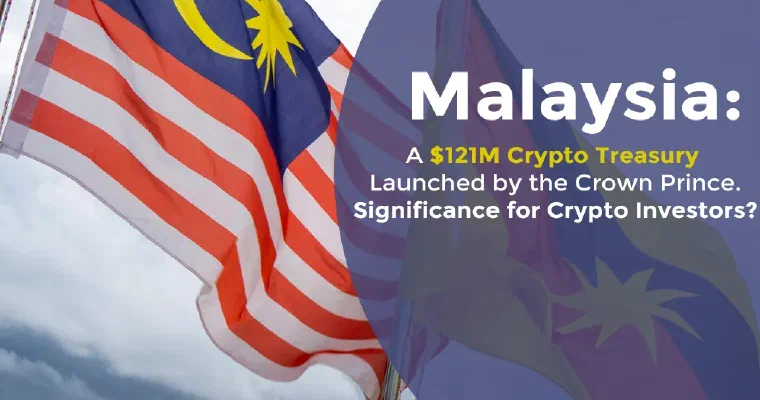
Malaysia has recently demonstrated a significant shift in its national digital asset strategy. Bullish Aim Sdn. Bhd., a company chaired by the Regent of Johor (Crown Prince Tunku Ismail), has launched a $121 million (RM500 million) digital asset treasury and a ringgit-backed stablecoin (RMJDT). see more...
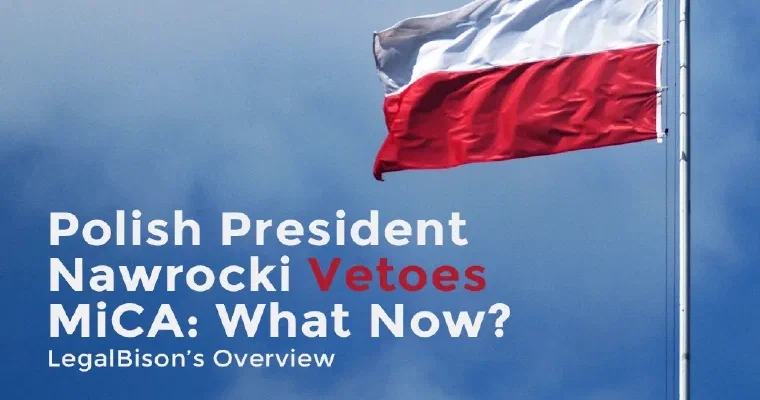
In November this year, LegalBison’s lawyer, Krystian Lapka, reported on the current progression of the MiCA application in Poland. The bill was approved by the local government on November 7 and was waiting for further approval from the president, Karol Nawrocki. However, on Monday, December 1, the president officially vetoed the bill. How will this decision influence the existing Polish VASPs and the entrepreneurs seeking to register in the country? see more...

On November 19, 2025, the EU officially published a new Digital Omnibus proposal for the General Data Protection Regulation (GDPR), as well as for the Digital Services Act (DSA), the AI Act, and the Copyright Directive. The proposal is planned to be in the public consultation phase until March 2026. It introduces important changes to the EU’s digital rulebook and data protection principles, which are the main focus of the document. see more...

Poland, the leading jurisdiction for virtual asset service providers for multiple years, continues working on the adoption of the Markets in Crypto Assets (MiCA). A change in presidential office has brought significant changes in the process. LegalBison lawyer Krystian Lapka explains. see more...

On July 17, 2025, LegalBison attended a session on Malaysian crypto law, sharpening its understanding of the Securities Commission’s risk-based approach to regulation and the country’s national blockchain infrastructure. These takeaways enhance our ability to support clients operating at the intersection of fintech, compliance, and innovation in Malaysia and the wider region. see more...
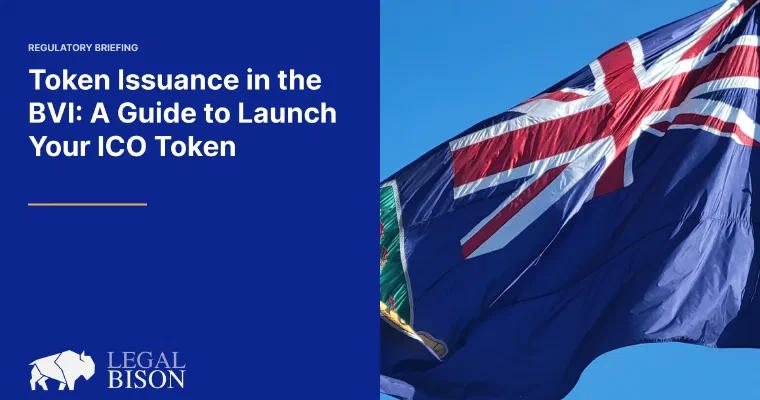
Preparing an ICO? You are certainly looking for the ideal jurisdiction to run your token sale. And you have certainly heard about the British Virgin Islands (BVI). In this guide, we’ll explore why this jurisdiction is indeed a good pick for a token issuance, and how to go about it with minimal hassle. see more...
The LegalBison legal team extended legal guidance to the Cagayan Economic Zone Authority (CEZA) in the assessment of CEZA’s Offshore Financial Technology Licensing Rules and Regulations (OFTLRR) that may be considered to improve further the licensing regime for businesses operating in the field of FinTech and cryptocurrency-related services in the Cagayan Special Economic Zone and Freeport. see more...

LegalBison looks back at 2024 with gratitude and inspiration for future achievements. As we wrap up another year of dedication and hard work, we cannot wait to see what 2025 holds for our company, partners, and clients. see more...

Closely following on the development of the enforcement of MiCA in Poland, LegalBison lawyer Krystian Lapka provides insights on the latest amendments made to the Draft Act. see more...

Based on clients’ feedback and our own research, a small set of jurisdictions offer ideal conditions for gaming companies and GameFi projects. We explore structures that ticks all the boxes: fast set-up, reasonable cost, wide range of permitted activities, low or no taxes & ability to deal with crypto. see more...

Senior consultant Kirill Gussev has got a strong grip on the crypto regulations worldwide. We asked him what makes Poland a clients’ favourite and he kindly agreed to pinch on the advantages of this framework for us. see more...

What you should remember: see more...
The passing of the Markets in Crypto Assets (MiCA) Regulation in the EU changes the classification of cryptocurrencies. European lawmakers now distinguish three categories of crypto-assets: Asset-Referenced Tokens (ART), Electronic Money Token (EMT) and a third category that includes all assets not falling into the two first classes. LegalBison’s lawyers dive into details in this article. see more...

What are the 10 top crypto exchanges of 2024? What is their legal structure, that allows them to offer virtual assets services all over the world to hundreds of millions of customers? LegalBison investigated for you. see more...

Meet the 10 best crypto casinos operating legally around the globe. LegalBison studied the legal side of their structure to help you understand how they built their success behind the curtains. see more...
When people are speaking about blockchain and crypto – often, the word blockchain is used as a placeholder for anything in the world of crypto. Obviously, this is incredibly misleading. Let’s roll this up differently. see more...
Nothing matches this filter yet.


